IPL Laser Hair Removal Technician Certification

Master professional hair-reduction concepts across IPL, Alexandrite, diode, and Nd:YAG technologies with our online certification.

Build foundational knowledge in IPL and laser hair reduction, skin and hair biology, client assessment, treatment planning, laser safety, clinical endpoints, aftercare, documentation, and professional practice.

ENROLL TODAY!
IPL
Alexandrite
Diode
Nd:YAG
100% OnlineStructured theory-based education
Self-Paced AccessStudy on your own schedule
Printable CertificateIssued after successful completion
Safety-FocusedClient assessment and risk awareness

The medical aesthetics industry is growing rapidly, creating demand for professionals who understand how laser and light-based hair reduction treatments are planned, documented, and performed safely. To succeed, students need a versatile knowledge base that includes laser physics, skin rejuvenation concepts, client assessment, and a clear understanding of safety responsibilities.

The AML Laser Academy IPL Laser Hair Removal Technician Certification is an expert-led hair-reduction course designed to provide foundational education across multiple technologies. The training introduces IPL, Alexandrite, diode, and Nd:YAG concepts, along with skin and hair biology, contraindications, treatment endpoints, aftercare, and the professional materials used in aesthetic facilities.

This is an online, theory-based educational program. It does not independently grant a government license, expand a professional scope of practice, or replace any hands-on or supervised clinical training required by a state, employer, facility, insurer, or equipment manufacturer.

Flexible Professional Education

Comprehensive Online Laser Training & Theoretical Practice

Our laser training is designed to bridge the gap between introductory knowledge and professional application through a robust online platform. While we do not provide in-person training, the curriculum focuses on theoretical practice, simulations, clinical walkthroughs, and professional documentation to help students understand how laser hair removal procedures are planned and performed.

Our instructors and physicians provide structured guidance on:

  • Laser equipment operation and treatment protocols: Understand the purpose of device controls, settings, filters, wavelengths, pulse duration, cooling, and facility procedures.
  • Theoretical case studies and video walkthroughs: Review consultation, treatment planning, clinical endpoints, aftercare, and complication-prevention concepts.
  • Laser Safety Officer awareness: Learn how eye protection, controlled areas, documentation, training, and safety oversight support the entire staff.
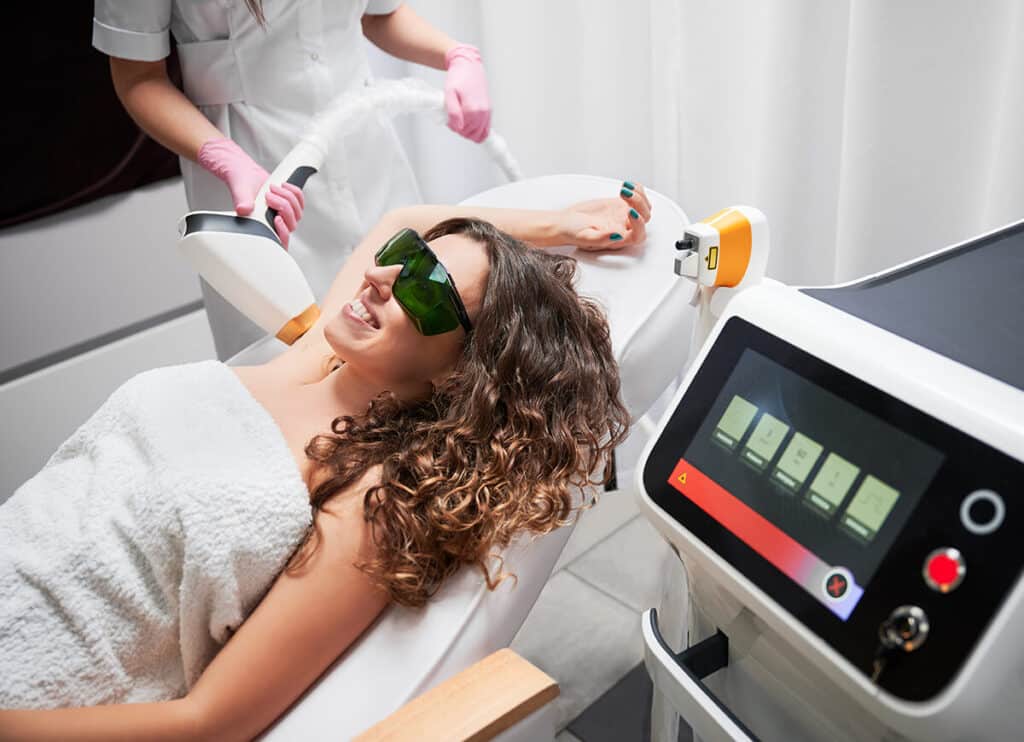
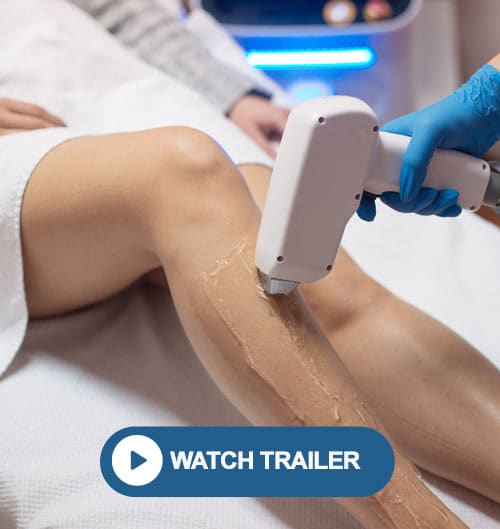
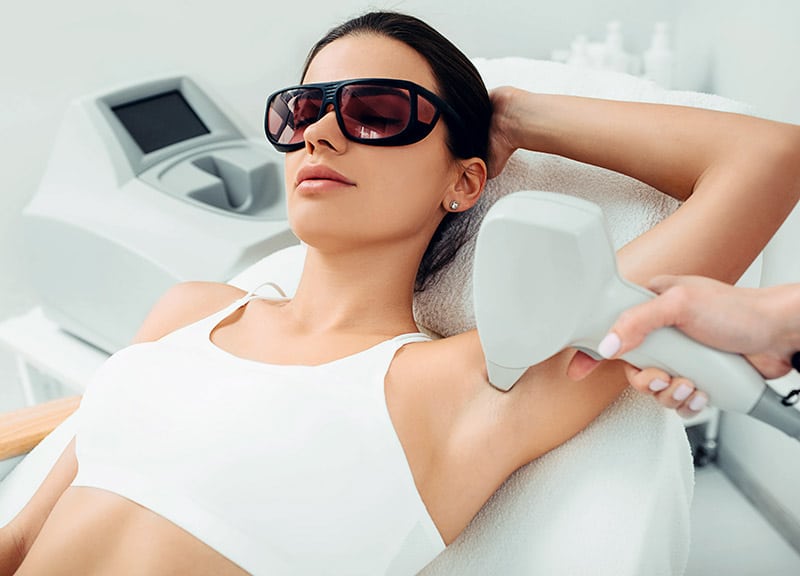
Laser hair removal training in a professional med spa with a technician performing a client treatment
AML Laser Academy online laser hair removal course with professional treatment equipment and training materials
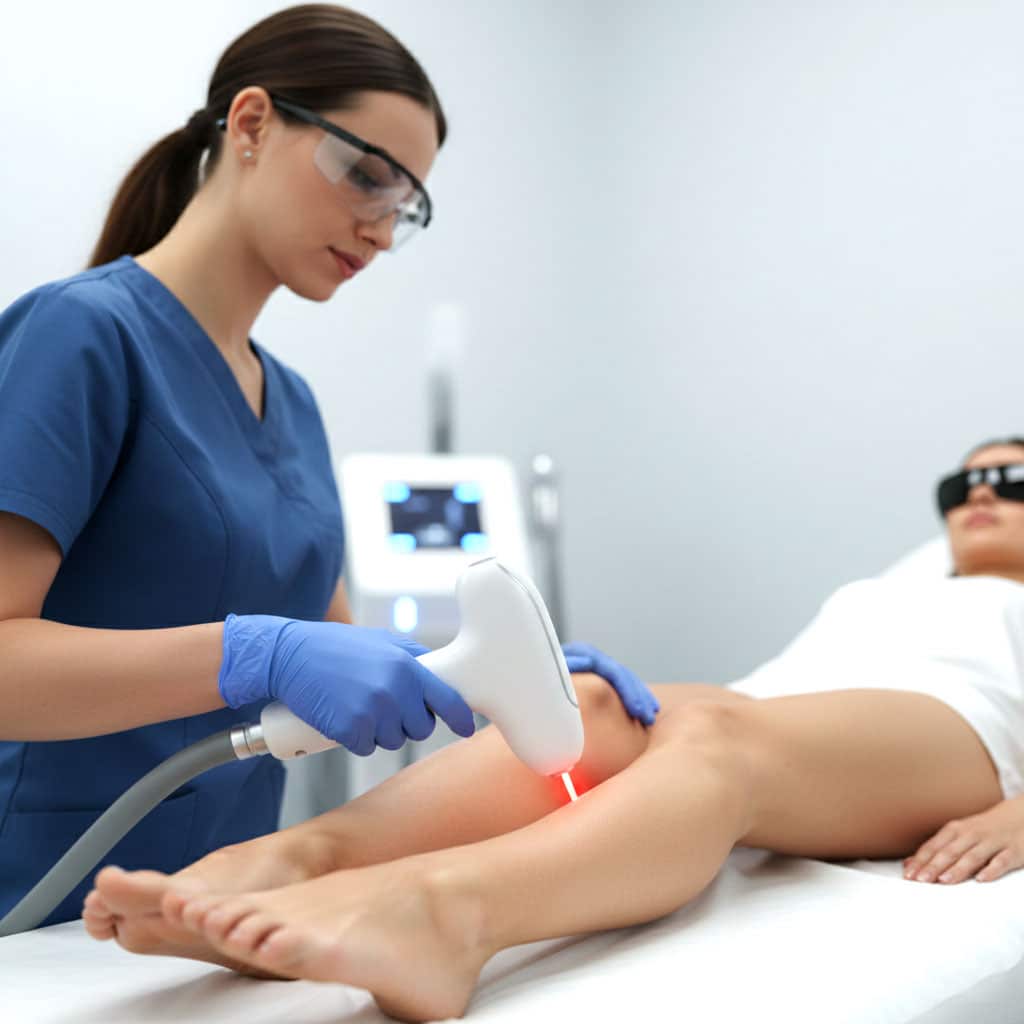
Laser hair removal treatment performed on a client in a professional medical aesthetic setting
Light-Tissue Interaction

How IPL and Laser Technologies Work for Hair Reduction

To build a successful career, students must understand how light energy targets the hair follicle while reducing unnecessary heat exposure to surrounding skin. IPL uses a filtered broad spectrum of light, while Alexandrite, diode, and Nd:YAG lasers use more specific wavelengths. The course compares how these technologies interact with melanin, penetrate at different depths, and support controlled heating of follicular structures responsible for regrowth.

The Power of Light

IPL and laser platforms deliver selected light energy that is converted into heat within pigment-rich hair structures, supporting long-term hair reduction when used appropriately.

Targeting Melanin

Students learn how skin tone, hair color, hair diameter, and target contrast influence client selection, risk, and treatment expectations.

Wavelength and Safety Control

Wavelength, filters, pulse duration, fluence, cooling, eye protection, and treatment endpoints work together to support safer treatment planning.

Visual Wavelength Guide

Compare Hair-Reduction Wavelengths and Penetration Depth

Wavelength influences how deeply light penetrates, how strongly melanin absorbs the energy, and which skin and hair characteristics may be appropriate for a particular platform. This visual guide helps students compare common Alexandrite, diode, Nd:YAG, and filtered IPL concepts.

755 nm Alexandrite concepts 800-810 nm Diode concepts 1064 nm Nd:YAG concepts
Laser hair reduction wavelength and skin penetration guide comparing Alexandrite, diode, Nd:YAG, and IPL technology
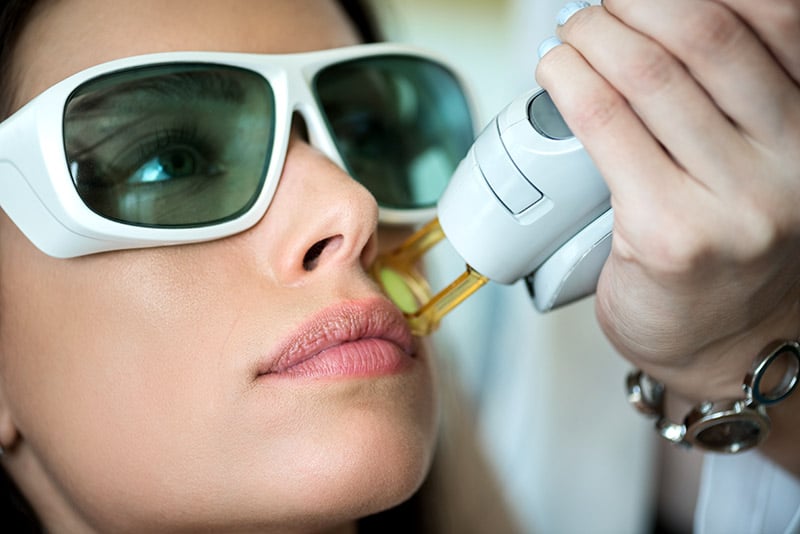
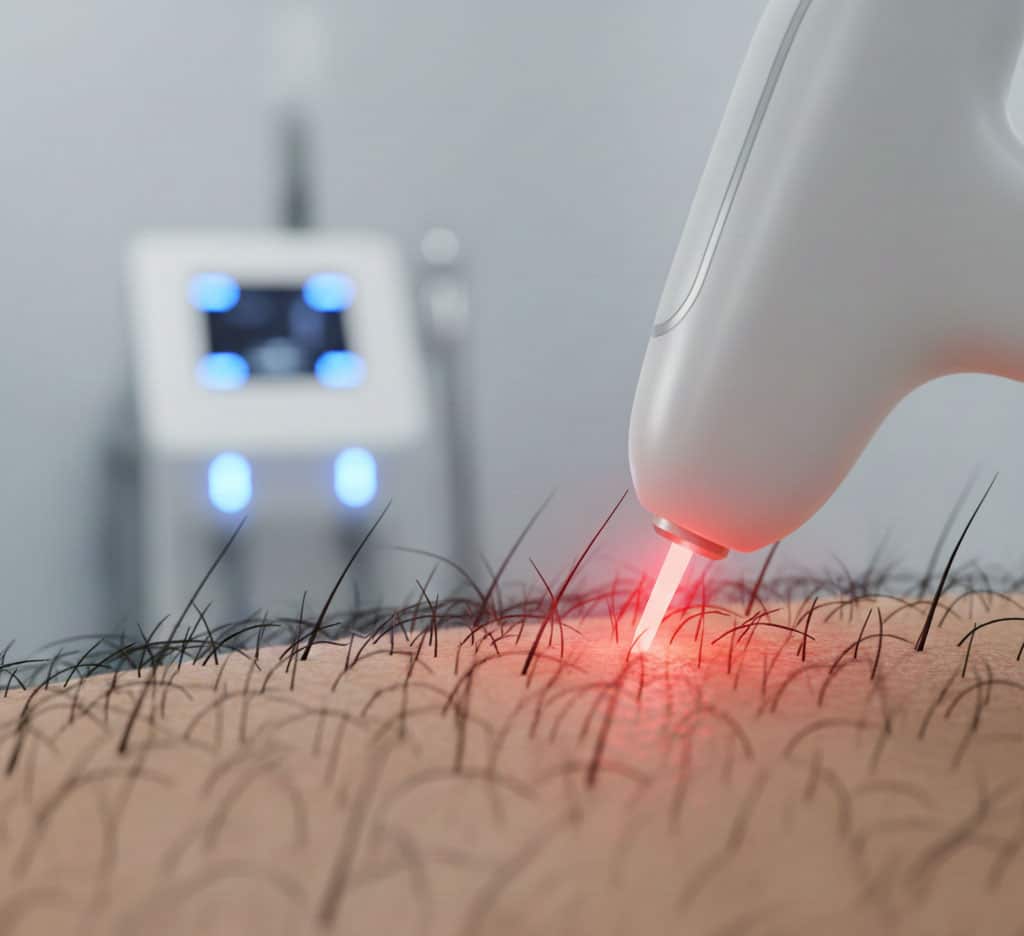
Close-up of a professional laser hair removal handpiece targeting unwanted hair during treatment
Broader Aesthetic Knowledge

Course Curriculum: From Tattoo Removal to Skin Care

This certification program covers more than hair-reduction theory. The broader course materials introduce related aesthetic concepts that help students understand how light, laser energy, skin condition, documentation, and client care connect across a professional practice.

  • Skin Rejuvenation: Educational concepts involving sun damage, redness, uneven tone, IPL photofacial principles, and treatment suitability.
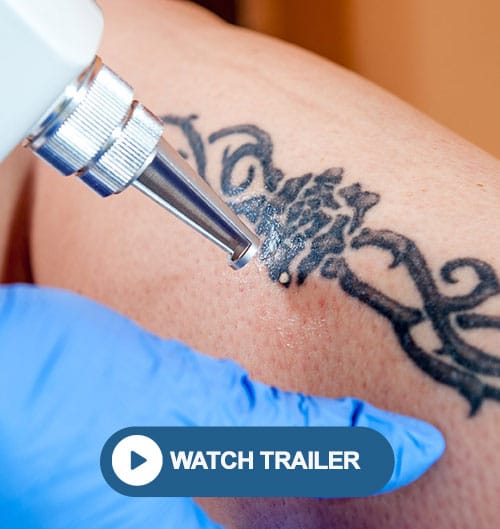
  • Tattoo Removal Theory: An introduction to laser ink clearance, pigment fragmentation, tissue response, and why IPL is not normally the standard tattoo-removal technology.
  • Laser Safety Officer Training: Awareness of recognized laser-safety principles, documentation, protective eyewear, controlled areas, and state-specific requirements.
  • Post-Treatment Care: Understanding expected skin response, sun protection, client instructions, treatment intervals, and when concerns should be escalated.
  • Additional Course Topics: Anatomy of the skin, Fitzpatrick typing, laser safety forms, consultation and consent forms, microdermabrasion concepts, IPL photofacial theory, marketing, and professional certification preparation.
Approx. 27 Hours of Education

Course Curriculum

The IPL and Laser Hair Removal curriculum provides a structured foundation in consultation, skin typing, treatment planning, device selection, clinical endpoints, aftercare, professional documentation, and business operations for light-based hair reduction. IPL is a broad-spectrum light technology rather than a true single-wavelength laser, and the course explains how IPL, Alexandrite, diode, and Nd:YAG systems are used within professional hair-reduction settings.

The 22 modules below are based on AML Laser Academy's 2026 comprehensive training curriculum. They are designed to build theory-based knowledge while emphasizing client assessment, safety, manufacturer guidance, professional boundaries, and state-specific requirements.

01The Science of IPL and Laser Hair Reduction
  • Selective photothermolysis and the role of melanin as the primary target chromophore
  • How absorbed light energy converts to heat within the hair shaft and follicular structures
  • Hair shaft, bulge region, dermal papilla, and germinative cells as treatment targets
  • Why surrounding tissue protection depends on wavelength, pulse timing, cooling, and client selection
  • The distinction between broad-spectrum IPL and true single-wavelength laser systems
02Physics Fundamentals: TRT and Pulse Dynamics
  • Wavelength, fluence, pulse duration, spot size, repetition rate, and energy-delivery concepts
  • Thermal relaxation time and why fine hair, coarse hair, and epidermal tissue respond differently
  • Light absorption, scattering, penetration depth, and competing chromophores
  • How pulse width and energy selection influence follicular heating and epidermal safety
  • Device-specific parameter selection using manufacturer guidance and facility protocols
03Hair Anatomy and Follicle Structure
  • Hair shaft, bulb, bulge, dermal papilla, matrix cells, and surrounding follicular anatomy
  • The biological role of the bulge region as a stem-cell reservoir
  • How the dermal papilla supports follicular growth and why it is an important thermal target
  • Melanin distribution, hair diameter, density, and depth as treatment-planning variables
  • Why follicular structure helps explain differences in response and regrowth
04Understanding the Hair Growth Cycle
  • Anagen, catagen, and telogen phases of the hair-growth cycle
  • Why actively growing anagen follicles are the principal target of light-based hair reduction
  • Body-area differences in growth timing, follicle depth, and treatment intervals
  • Why multiple sessions are needed to reach follicles cycling at different times
  • Scheduling concepts for facial, underarm, bikini, arm, leg, and other treatment areas
05Hormonal Influences and Endocrine Screening
  • Hormonal patterns that may contribute to resistant, recurrent, or newly developing hair growth
  • PCOS, androgen influence, and the conversion of finer vellus hair into terminal hair
  • Client-history questions related to medications, menstrual history, and endocrine concerns
  • Ferriman-Gallwey assessment awareness for documenting patterned hair growth
  • When expectations should be adjusted or referral for medical evaluation may be appropriate
06Skin Typing, Safety, and Client Assessment
  • Fitzpatrick skin typing and the difference between genetic pigment and recent tanning
  • Skin tone, hair color, hair diameter, and target contrast as treatment-planning factors
  • Medical history, medication review, sun exposure, self-tanner, and sensitivity screening
  • Consultation, informed consent, photography, and realistic expectation setting
  • Patch-test principles and conservative planning for clients with increased pigment risk
07Laser and IPL Device Fundamentals
  • Differences between monochromatic laser systems and filtered broad-spectrum IPL devices
  • Alexandrite, diode, Nd:YAG, and IPL technology used for hair-reduction applications
  • Wavelength, filters, spot size, handpiece design, pulse delivery, and treatment speed
  • How device choice may vary with skin type, hair characteristics, and treatment area
  • Manufacturer instructions, device-specific training, maintenance, and facility protocols
08Pain Management and Skin Cooling
  • The role of epidermal cooling in comfort, heat control, and skin protection
  • Contact cooling, chilled gel, cold air, and other device-dependent cooling methods
  • Pre-cooling, cooling during energy delivery, and post-treatment heat extraction
  • Recognizing excessive discomfort as a reason to pause and reassess the treatment plan
  • Client communication and comfort monitoring throughout the procedure
09Clinical Treatment Endpoints
  • Perifollicular edema and mild erythema as commonly observed treatment responses
  • Hair release and shedding indicators used to assess follicular response
  • Continuous observation between pulses and across the treatment grid
  • Warning signs such as epidermal whitening, graying, blistering, or disproportionate pain
  • When to stop treatment, cool the area, document findings, and escalate concerns
10Complications and Adverse Event Management
  • Potential burns, blistering, pigment changes, prolonged redness, and other adverse responses
  • Immediate cessation of energy delivery when an unexpected tissue response occurs
  • Cooling, documentation, photography, and incident-reporting principles
  • Following facility policy, manufacturer instructions, and medical-director escalation pathways
  • Client follow-up, corrective-action review, and prevention of repeat incidents
11Contraindications and Risk Management
  • Recent sun exposure, active tanning, sunburn, and artificial tanning products
  • Photosensitizing medications, isotretinoin history, and medication-specific screening
  • Active infection, open wounds, suspicious lesions, and compromised skin integrity
  • Tattoos, permanent makeup, or dark pigment within or near the treatment field
  • Pregnancy, systemic concerns, and other conditions requiring deferral under facility protocol
12Pre-Treatment and Step-by-Step Procedures
  • Chart review, consultation, informed consent, medical intake, and treatment-area confirmation
  • Cleansing, shaving preparation, photography, eye protection, and treatment-room setup
  • Device checks, parameter selection, cooling preparation, and test-pulse assessment
  • Handpiece positioning, systematic grid tracking, controlled overlap, and response monitoring
  • Post-treatment cleanup, client instructions, documentation, and scheduling
13Body-Area Treatment Guidance
  • How follicle depth, hair density, circulation, and skin thickness vary by anatomical area
  • Treatment-planning differences for the face, underarms, bikini area, arms, legs, chest, and back
  • Why facial areas may require different intervals than slower-cycling body areas
  • Additional cooling and observation considerations for dense or slower-healing treatment zones
  • Area-specific positioning, coverage, privacy, and client-comfort considerations
14Male vs. Female Treatment Considerations
  • Differences in hair density, diameter, growth pattern, and hormonal influence
  • Treatment planning for dense male facial and body hair
  • Beard shaping, ingrown-hair concerns, and realistic thinning expectations
  • Female facial hair patterns and the importance of hormonal-history screening
  • Individualized treatment planning without relying on gender alone
15Treatment Failure Analysis
  • Reasons for limited shedding, rapid regrowth, patchy clearance, or inconsistent response
  • Fluence, pulse duration, spot size, device calibration, and cooling as technical variables
  • Incorrect growth-cycle timing or treatment intervals as possible causes of poor response
  • Technique issues involving coverage, handpiece contact, overlap, or missed areas
  • Hormonal influences, hair color, hair diameter, and unrealistic expectations
16Realistic Outcomes and Expectations
  • The difference between long-term hair reduction and a guarantee of permanent hair removal
  • Why darker, coarser hair generally responds better than red, blonde, gray, or white hair
  • Typical need for a treatment series followed by individualized maintenance
  • How hormones, age, medications, and biological changes may influence future hair growth
  • Communicating achievable goals, limitations, treatment intervals, and expected shedding
17Post-Treatment Recovery and Maintenance
  • Expected warmth, mild redness, perifollicular edema, and the post-treatment shedding phase
  • Avoiding excessive heat, friction, irritating products, and direct sun after treatment
  • Gentle skincare, cooling, sunscreen, and facility-approved home-care instructions
  • When clients should contact the facility regarding unusual or worsening reactions
  • Maintenance planning, progress photography, and long-term follow-up
18Legal, Regulatory, and Professional Standards
  • State-specific scope-of-practice, supervision, delegation, and facility requirements
  • The standard of care, professional boundaries, and the importance of working within authorization
  • Manufacturer instructions, device registration, safety policies, and employer procedures
  • Medical-director or physician involvement where required by law or facility policy
  • Why online education does not replace state licensing, hands-on training, or device-specific authorization
19Professional Documentation and Consultation
  • Medical history, medication review, Fitzpatrick skin type, consent, and consultation records
  • Standardized before-and-after photography and anatomical treatment mapping
  • Recording device, handpiece, wavelength or filter, settings, cooling, and treatment response
  • Adverse-event notes, follow-up instructions, referrals, and corrective actions
  • Defensive charting principles and complete treatment-log documentation
202026 Trends and Emerging Technology
  • Emerging scanning and motion-based delivery systems designed to improve coverage consistency
  • Advances in cooling, pulse control, spot-size options, and real-time device feedback
  • Technology designed to expand safe treatment planning across a wider range of skin types
  • Workflow tools that support documentation, treatment mapping, and client follow-up
  • Evaluating new technology through evidence, manufacturer education, and regulatory requirements
21Quick Reference Tables and Decision Trees
  • Pre-treatment safety checklists and client-screening decision pathways
  • Device-selection concepts based on skin type, hair characteristics, and treatment goals
  • Clinical endpoint guides for normal responses, warning signs, and stop-treatment indicators
  • Contraindication, deferral, complication-response, and escalation reference tools
  • Body-area scheduling, growth-cycle, aftercare, and treatment-log references
22Business Operations for Hair Reduction
  • Consultation workflows that move qualified clients from inquiry to an appropriate treatment plan
  • Ethical package presentation, realistic promises, pricing transparency, and informed consent
  • Client retention, treatment-series adherence, reminders, follow-up, and maintenance planning
  • Operational documentation, inventory, equipment care, staff roles, and quality-control systems
  • Client lifetime value, referral growth, reputation management, and responsible marketing
Laser hair removal training infographic explaining treatment science, client assessment, safety, and professional care
Visual Learning Support

Laser Hair Removal Training at a Glance

The course combines detailed theory with visual references that make technical subjects easier to review. Students connect hair biology, selective photothermolysis, device selection, skin typing, treatment endpoints, aftercare, and documentation into one professional workflow.

AssessReview skin type, hair characteristics, medical history, medications, sun exposure, and treatment goals.
PlanUnderstand wavelength, pulse duration, fluence, cooling, patch testing, and manufacturer-specific protocols.
ProtectApply appropriate eye protection, treatment-room controls, documentation, aftercare, and escalation procedures.
Flexible Access and Professional Documentation

Why Enroll in Our Professional Certification?

When you enroll, you receive immediate access to the online learning materials. There is no time limit for completion, allowing medical professionals, beauty professionals, clinic staff, and career changers to study at their own pace.
AML Laser Academy online IPL laser hair removal certification course and professional education materials

Professional Certificate of Completion

After completing the required lessons and final assessment, students receive a printable certificate documenting completion of the AML Laser Academy IPL Laser Hair Removal Technician Certification course.

InstructorDr. Leo Capobianco
Course LengthApprox. 27 hours
AccessFlexible online student access
Completion RecordPrintable certificate and verification information
Important scope notice

This program provides online education and a private certificate of completion. Before performing any laser or IPL treatment, verify licensing, supervision, hands-on training, facility, insurance, and scope-of-practice requirements in your jurisdiction.

AML Laser Academy online IPL laser hair removal certification program and course materials
Theory-based AML Laser Academy IPL laser hair removal course and professional certification training
Designed for New and Experienced Professionals

Who Should Take This Hair Removal Course?

The course is designed for professionals and career changers who want a structured foundation in IPL, Alexandrite, diode, Nd:YAG, and broader laser hair-reduction theory. Enrollment does not guarantee legal authority to perform treatments; scope and supervision rules vary by location and profession.

Estheticians and CosmetologistsExpand theoretical knowledge of light-based hair reduction, client screening, and safety.
Nurses and Medical StaffBuild a stronger foundation in treatment concepts, risk awareness, and documentation.
Med Spa and Clinic TeamsSupport consistent staff education, onboarding, consultation, and treatment-room safety.
Career ChangersLearn essential theory before pursuing any required licensing, hands-on training, or supervised practice.
Detailed Program Overview

Hair Removal Certification Information

Training programs for IPL and laser hair removal are available in online, in-person, and hybrid formats, depending on educational scope and state requirements. This AML program is delivered 100% online and focuses on theory-based education.

The program covers IPL, Alexandrite, diode, and Nd:YAG technology fundamentals, laser physics, hair and skin anatomy, Fitzpatrick skin typing, hormonal influences, safety protocols, contraindications, treatment-planning principles, clinical endpoints, adverse-event awareness, aftercare, consultation, professional documentation, and business operations.

Online IPL and laser education can support foundational learning, laser-safety awareness, staff development, and preparation for additional clinical education. It is well suited for estheticians, cosmetologists, nurses, medical assistants, med spa professionals, and individuals seeking structured theoretical training before completing hands-on or supervised clinical experience where required.

Laser hair reduction is a widely offered cosmetic service used on areas such as the face, legs, underarms, back, neck, chest, and bikini area. Strong education in client assessment, skin typing, treatment principles, safety, and documentation is essential for responsible professional practice.

Important notice: This course does not include in-person hands-on training and does not replace state licensing, delegated medical authority, facility requirements, manufacturer training, insurance conditions, or supervised clinical competency.

Answers Before You Enroll

Frequently Asked Questions About Hair Removal Certification

What is the IPL Laser Hair Removal Technician Certification?

The IPL Laser Hair Removal Technician Certification is an online educational program focused on IPL, Alexandrite, diode, and Nd:YAG hair-reduction principles, laser safety, client assessment, treatment theory, documentation, and professional practice in medical-aesthetic environments.

Is this IPL laser hair removal course offered online?

Yes. The certification program is delivered entirely online through structured learning modules, educational videos, theoretical instruction, and a final assessment.

What topics are covered in an IPL laser hair removal course?

The curriculum covers IPL, Alexandrite, diode, and Nd:YAG technology, laser physics, skin anatomy, hair biology, Fitzpatrick skin typing, consultation, contraindications, safety protocols, treatment planning, clinical endpoints, complications, aftercare, documentation, and business operations.

Who should enroll in an IPL laser hair removal certification program?

The program is designed for estheticians, cosmetologists, nurses, medical assistants, med spa staff, clinic teams, and career changers seeking structured theory-based education. Eligibility to perform treatments depends on applicable state law and professional scope.

Do I need prior experience to enroll?

No specific prior laser experience is required to enroll. The course begins with foundational concepts and progresses into treatment planning, safety, and professional documentation.

How long does it take to complete the IPL certification?

The course contains approximately 27 hours of educational material. Completion time varies because students receive flexible, self-paced access.

Do I receive a certificate after completing the course?

Yes. Students who complete the required coursework and final assessment receive an AML Laser Academy certificate of completion with a professional verification record.

Is this IPL certification accepted nationwide?

Training, licensing, supervision, and scope-of-practice requirements vary by state and employer. The certificate documents completion of private professional education and does not replace government licensing, required hands-on training, or supervised clinical competency.

Are IPL and laser hair removal regulated by the state?

Yes. Requirements differ substantially by jurisdiction. Students should verify rules with the appropriate state licensing or regulatory authority, employer, facility, insurer, and supervising professional before performing treatments.

Is laser hair removal a good career option?

Laser hair reduction is a widely offered aesthetic service. Formal education in theory, safety, consultation, and documentation can support professional development, but employment and treatment authority depend on licensing, local rules, employer requirements, and demonstrated competency.

What is the difference between IPL and laser hair removal?

IPL uses a filtered broad spectrum of light, while Alexandrite, diode, and Nd:YAG lasers emit more specific wavelengths. All may be used for hair reduction, but device selection, settings, safety controls, penetration depth, and suitability depend on the client, treatment goals, and professional protocols.

Does this course cover tattoo removal?

The broader course materials introduce tattoo-removal theory and the science of laser ink clearance. IPL is not generally the standard technology for tattoo removal, and this hair-removal course does not independently authorize tattoo-removal practice.

What safety topics are included in the course?

The course covers eye protection, controlled-treatment areas, skin typing, contraindications, patch-test concepts, adverse-event prevention, client screening, documentation, and Laser Safety Officer awareness relevant to IPL and laser environments.

Is continuing education required after certification?

Continuing-education expectations vary by jurisdiction, professional license, employer, facility policy, insurer, and equipment manufacturer. Professionals should follow the requirements that apply to their role and location.

Why choose an online IPL laser hair removal certification?

Online education provides flexible access to foundational IPL and laser theory, safety principles, consultation methods, and professional documentation. Any required hands-on or supervised clinical training must be completed separately according to applicable rules.

Regulatory disclaimer

Requirements for IPL and laser hair reduction vary by state, professional license, employer, facility, insurer, supervising clinician, and device. Students are responsible for verifying the rules that apply before performing treatments.

Ready to Start?

Take the next step in your professional education. Review tuition, enroll online, and begin building a stronger foundation in IPL, Alexandrite, diode, Nd:YAG, and broader laser hair-reduction theory, safety, consultation, and documentation.