
Botox and Dermal Fillers Certification Course Online for Medical Professionals
Neurotoxins & Dermal Fillers Training for Clinical Practice
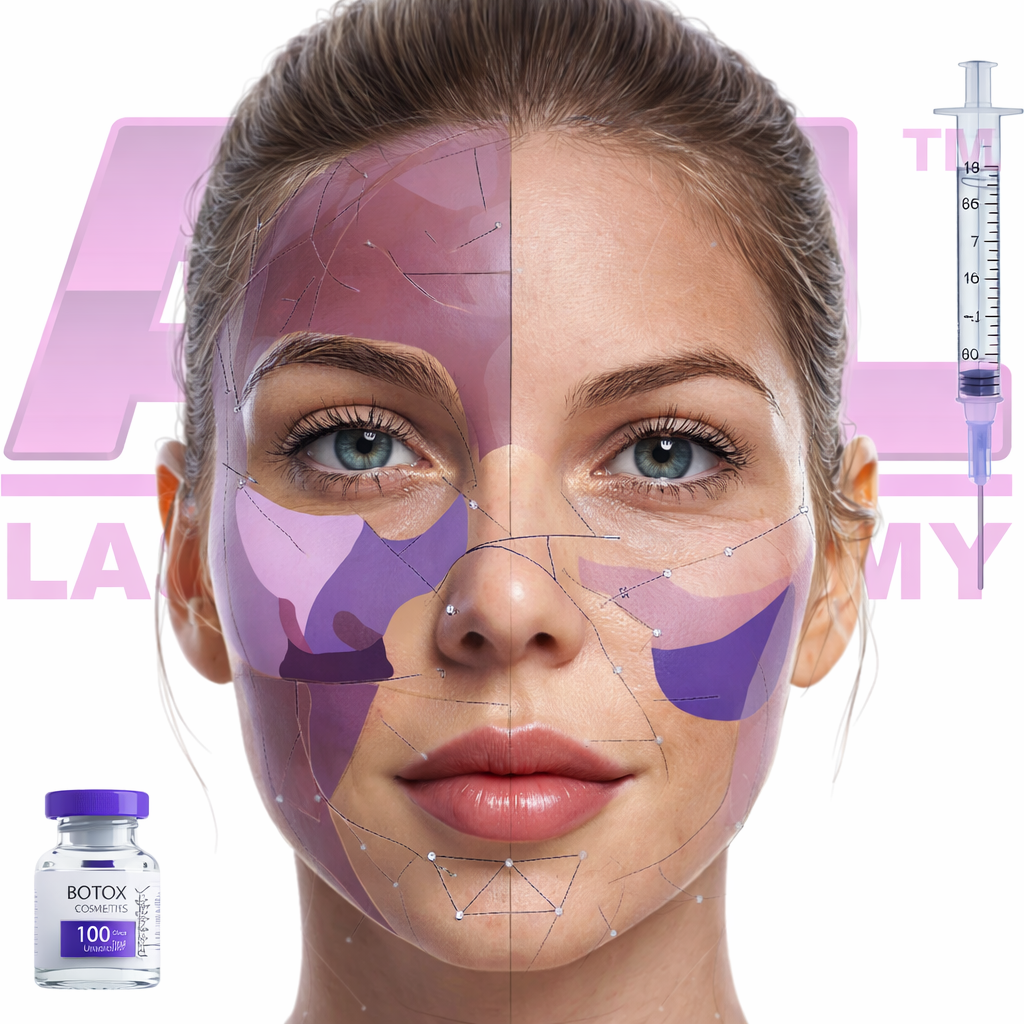
Industry-Recognized Certification for Medical Spas, Clinics & Aesthetic Professionals
Botox® (onabotulinumtoxinA) and dermal fillers are among the most in-demand aesthetic procedures in modern medical aesthetics. As patient demand continues to grow, licensed healthcare professionals are expanding into cosmetic injectables to increase revenue, diversify their services, and enter the rapidly growing medical aesthetics industry.
This Botox and dermal fillers course online is designed for medical professionals seeking certification in aesthetic injectables. Often referred to as Botox training, this program includes comprehensive botulinum toxin training and dermal filler training, preparing providers for real-world clinical application.
Developed and Reviewed by [Dr. Leo Capobianco, M.D.] | Last Updated: March 2026
This course is intended for licensed medical professionals.
What You Will Learn in This Neurotoxins & Dermal Fillers Course
This injectable training program is designed to provide a deep understanding of aesthetic medicine and clinical application.
- Facial anatomy (muscles and vascular structures)
- Botulinum toxin pharmacology and mechanism of action
- Dermal filler types and dermal filler procedures
- Patient consultation, medical history, and facial assessment
- Injection techniques for upper and lower face
- Dose control and product placement
- Symmetry correction and facial balancing
- Complication prevention and adverse events management
You will develop a deep understanding of how to evaluate the face both at rest and during movement to achieve natural results.
What’s the Difference Between Neurotoxin Brands?
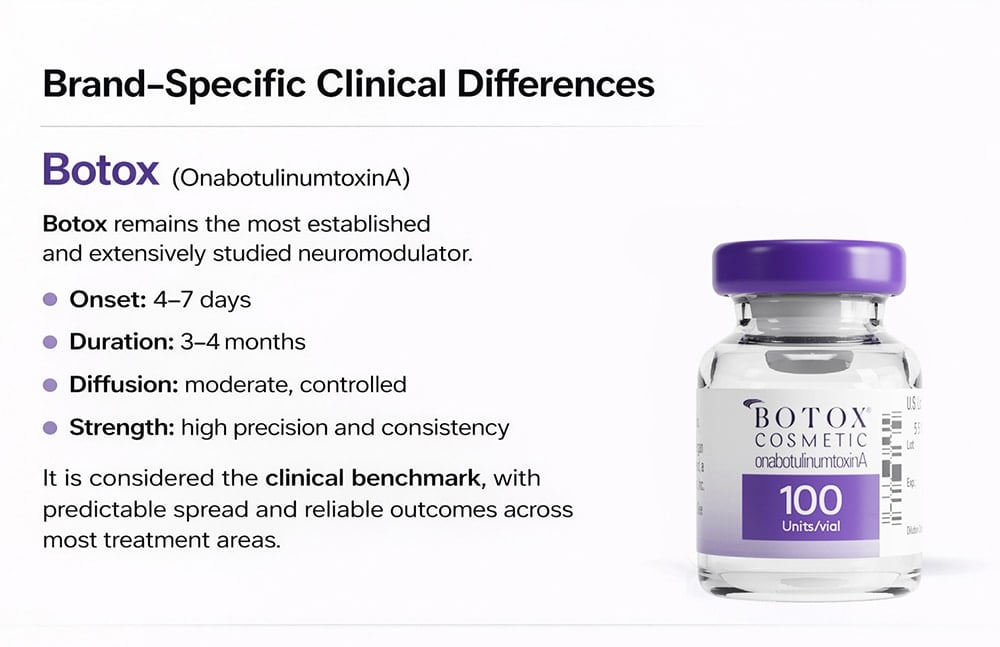


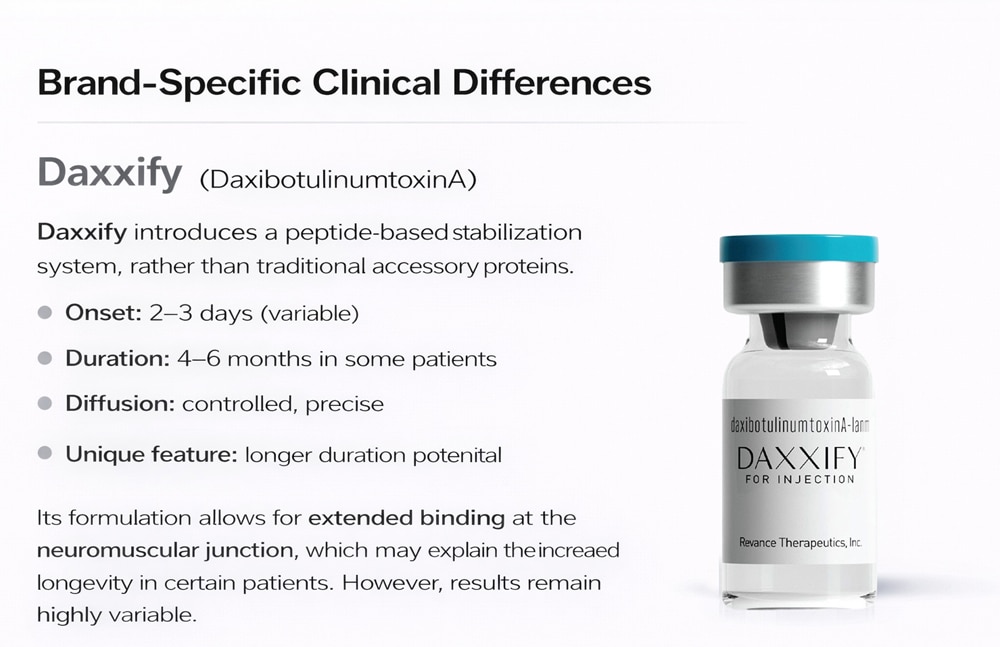

Course Objectives and Learning Outcomes
This course is designed to help licensed healthcare professionals master injection techniques and deliver safe, effective aesthetic treatments.
- Master injection techniques for botulinum toxin and dermal filler injections
- Build a comprehensive treatment plan for each patient
- Perform safe dermal filler procedures and Botox injections
- Understand facial anatomy and aesthetic consultations
- Improve patient safety and clinical decision-making
- Achieve natural, balanced outcomes
Course Content Overview
Botox and Dermal Fillers Course Curriculum
1. Introduction to Injectable Aesthetics
- 1.1 History and Evolution of Neuromodulators and HA Fillers
- 1.2 Analyzing Global Market Growth and Patient Demographics
- 1.3 Ethics and Legal Scope of Practice in Aesthetic Medicine
- 1.4 Psychology of the Aesthetic Patient: Consultation Strategies
- 1.5 Medical History Intake and Identification of High-Risk Patients
- 1.6 Photographic Documentation: Standardizing Before & After Results
2. Infection Control & Sanitation Protocols
- 2.1 OSHA Standards and Bloodborne Pathogen Compliance
- 2.2 Sterile Technique: Preparation of the Injectable Field
- 2.3 Needle Safety and Post-Procedure Sharps Management
- 2.4 Maintaining a Clinical Environment: Surfaces and Cross-Contamination
3. Skin Anatomy & Patient Assessment
- 3.1 Integumentary System Overview: Epidermis to Hypodermis
- 3.2 The Fitzpatrick Scale and Ethnic Considerations in Injectables
- 3.3 Identifying Glogau Photo-Aging and Skin Laxity Scores
- 3.4 Assessing Contraindications: Autoimmune and Inflammatory Conditions
4. Neurotoxin & Dermal Filler Products
- 4.1 Biochemistry of OnabotulinumtoxinA vs. IncobotulinumtoxinA
- 4.2 Dermal Filler Rheology: Understanding G-Prime and Cohesivity
- 4.3 Comparing Hyaluronic Acid (HA) vs. Bio-Stimulatory Agents
- 4.4 Determining Product Longevity and Metabolic Factors
5. Facial Anatomy for Injectables
- 5.1 Surface Anatomy vs. Deep Facial Compartments
- 5.2 Myology: Agonist and Antagonist Muscle Dynamics
- 5.3 Vascular Anatomy: Avoiding the "Danger Zones"
- 5.4 Identifying Sensory and Motor Nerves of the Face
6. Patient Evaluation & Contraindications
- 6.1 The Full Facial Assessment: Static and Dynamic Evaluation
- 6.2 Informed Consent: Managing Expectations and Legal Risk
- 6.3 Treatment Planning: The Multi-Modality Approach
- 6.4 Absolute vs. Relative Contraindications for Injectables
7. Injection Safety & Complication Management
- 7.1 Recognizing Early Signs of Vascular Compromise
- 7.2 Emergency Protocols: Hyaluronidase Dosage and Administration
- 7.3 Managing Post-Injection Edema, Ecchymosis, and Ptosis
- 7.4 Long-term Follow-up and Adverse Event Documentation
8. Neurotoxin Preparation & Techniques
- 8.1 Sterile Reconstitution Math: Saline to Unit Ratios
- 8.2 Injection Depth: Intramuscular vs. Intradermal Placement
- 8.3 Protocols for Glabella, Frontalis, and Orbicularis Oculi
- 8.4 Advanced Tox: Correcting "Spock Brow" and Asymmetry
9. Dermal Filler Techniques
- 9.1 Linear Threading, Fanning, and Cross-Hatching Methods
- 9.2 Bolus vs. Retrograde Injections for Nasolabial Folds
- 9.3 Needle vs. Cannula: Clinical Indications and Safety
- 9.4 Volume Restoration Strategies for the Midface
10. Post-Treatment Care & Patient Management
- 10.1 Post-Procedure Restrictions and Activity Guidelines
- 10.2 Managing Early and Late-Stage Nodule Formation
- 10.3 Retention Strategies: Booking the 2-Week Follow-Up
- 10.4 Building Long-term Patient Treatment Roadmaps
Injection Safety, Facial Anatomy, and Complication Management
Patient safety is critical in all aesthetic procedures.
This course emphasizes:
- Proper injection depth and injection techniques
- Avoiding vascular complications
- Identifying high-risk anatomical zones
- Managing ptosis, crow’s feet, and bunny lines
- Understanding procedural medicine and facial dynamics
Complications are rarely caused by the product itself. Most adverse events result from improper technique or lack of anatomical knowledge.


Why Botox and Dermal Fillers Training Should Be Combined
Modern aesthetic practice relies on combination treatments.
- Neurotoxins reduce dynamic wrinkles
- Dermal fillers restore volume and structure
By learning both Botox and dermal filler techniques together, providers can:
- Deliver full facial balancing
- Improve patient satisfaction
- Increase retention rates
- Maximize revenue per injectable treatments
Online Botox & Dermal Fillers Training (Flexible & Self-Paced)
This dermal filler training course is delivered fully online, allowing medical professionals to learn at their own pace.
- Access training anytime
- Rewatch lessons for ongoing education
- Follow structured modules step-by-step
- Learn without interrupting your private practice or hospital schedule

From the Instructor’s Clinical Experience
In traditional medicine, providers follow protocols. In aesthetic medicine, providers must adapt to each patient.
For example, correcting subtle asymmetry in the masseter or brow requires precise dose control, depth awareness, and understanding of muscle compensation patterns.
These real-world insights are a key part of this injectable training course.
Course Developed by Medical Professionals
This Botox and dermal filler certification course was developed with Dr. Leo Capobianco, M.D., FAAEM, bringing real-world experience in aesthetic injectables, patient safety, and complication management.
The course reflects how treatments are performed in real clinical environments, not just theoretical instruction.

Real-World Injectable Training Approach
This course focuses on how injectables are used in actual aesthetic practice:
- Treating dynamic facial movement
- Adjusting doses based on patient response
- Combining neurotoxins and dermal fillers
- Building personalized treatment plans
This approach allows providers to achieve natural, consistent outcomes.
Hands-On Training and Advanced Education Path
This course provides the didactic training foundation required before moving into hands-on training.
Many providers continue into advanced training, including:
- Advanced Botox techniques
- Advanced injectables and facial aesthetics
- Dermal filler certification classes
- Cosmetic lasers and laser treatments
Small group breakout sessions and hands-on training are recommended as the next step.

Who This Botox & Dermal Fillers Course Is Designed For
This course is intended for licensed healthcare professionals, including:
- Registered nurse (RN)
- Nurse practitioners (NP)
- Physician assistants (PA)
- Physicians (MD/DO)
- Family physicians
- Dentists
Injectables must be performed within scope-of-practice guidelines.

Career Growth in the Medical Aesthetics Industry
After completing this injectable training course, providers can work in:
- Medical spas
- Dermatology clinics
- Private practice
- Functional medicine clinics
- Independent practice settings
Many professionals expand into the cosmetic industry and eventually open their own practice.

Clinical Applications in Aesthetic Practice
This training prepares providers to perform common aesthetic procedures:
- Botox injections for crow’s feet, forehead lines, and bunny lines
- Dermal filler injections for lips, cheeks, and facial contouring
- Combination treatments for facial balancing
Understanding both neurotoxins and dermal fillers is essential for modern aesthetic practice.
Income Potential with Botox and Dermal Fillers
Injectable treatments offer strong revenue potential:
- Botox treatments: $300–$600 per session
- Dermal filler treatments: $600–$2,000+ per treatment
- Repeat patients every 3–6 months
Many providers recover the cost of training quickly.

Why This Botox & Dermal Fillers Course Stands Out
- Combines Botox training and dermal filler certification
- Focuses on patient safety and real clinical practice
- Structured learning with clear progression
- Designed for long-term success in aesthetic medicine
Most training courses teach techniques. This course teaches clinical thinking.
Frequently Asked Questions About Botox & Dermal Fillers Training
Do I need to be a medical professional?
Yes. Botox and dermal fillers are medical procedures and require proper licensing.
Can I inject after completing the course?
You must follow your state regulations and medical director requirements.
Is hands-on training required?
Hands-on training is recommended after completing this course.
Is this course suitable for beginners?
Yes, as long as you are a licensed medical professional.
Is dermal filler training necessary?
Yes. Most aesthetic procedures involve both Botox and dermal fillers.

Start Your Botox & Dermal Fillers Training Today
The demand for aesthetic injectables continues to grow rapidly.
If you are ready to enter the medical aesthetics field, expand your skills, and increase your income potential, this Botox and dermal fillers course provides the foundation you need.
Important Notice
This Botox and dermal fillers certification course is intended for licensed medical professionals only. Participants must operate strictly within their state or country’s scope-of-practice laws and regulations. Completion of this course provides didactic training but does not grant a license or authorize the performance of medical procedures. It is the responsibility of each student to verify local requirements, including medical director supervision where applicable, and to ensure full compliance with all legal, regulatory, and professional guidelines before performing any injectable treatments.
Continue Your Professional Development
This advanced laser certification builds upon foundational safety knowledge taught in our Laser Safety Officer Certification Course.
Explore our full range of Online Aesthetic Laser Training Programs to expand your expertise.
Professionals pursuing long-term career growth should review our Laser Technician Career Guide for industry guidance.