Advanced Laser Aesthetics Certification

All Courses Included: Laser Hair Removal, IPL, RF, Photofacials, Tattoo Removal, Laser Safety

A comprehensive bundle of online laser courses designed for medical professionals and aesthetic providers who want advanced skills, confidence, and industry-recognized certification.
Enroll Now
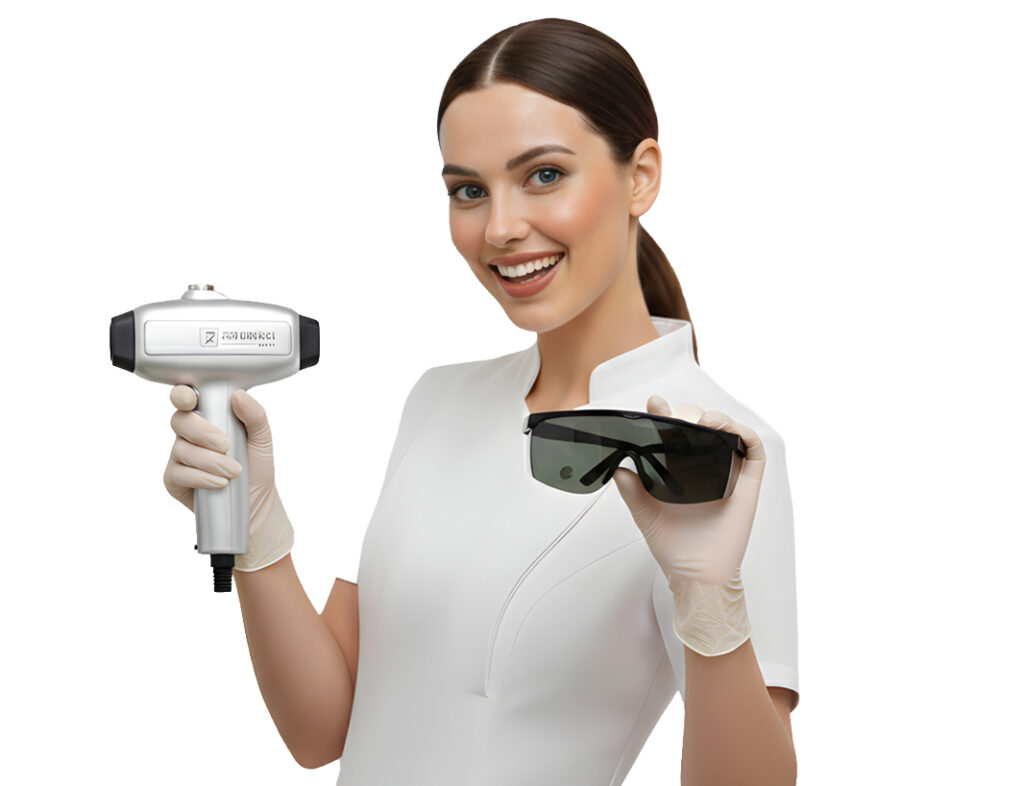
Professional laser aesthetics training graphic featuring online courses in laser hair removal, IPL photofacial, tattoo removal, RF skin rejuvenation, and laser safety from AML Laser Academy.
10,000+

Professionals Trained

4.9/5

Average Student Rating

Industry Recognized

Certification

Learn Anywhere

Anytime, Any Device

All Courses Included in Your Advanced Laser Certification

Laser Hair Removal clinical training course AML Laser Academy

Laser Hair
Removal

Safe, effective techniques for all skin types and treatment areas.
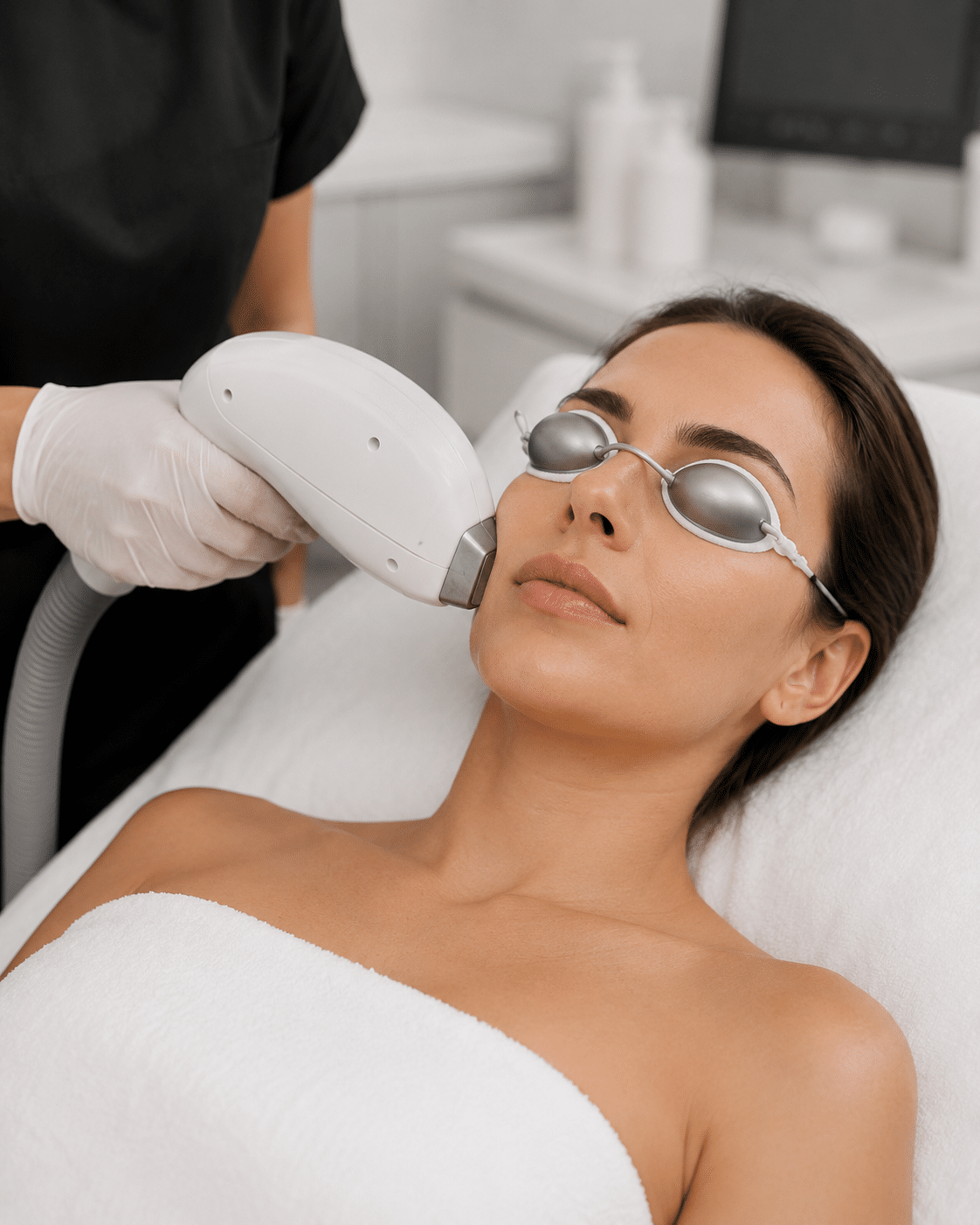
IPL Photofacial clinical training course AML Laser Academy

IPL /
Photofacial

Improve tone, texture, and pigmentation with proven IPL protocols.
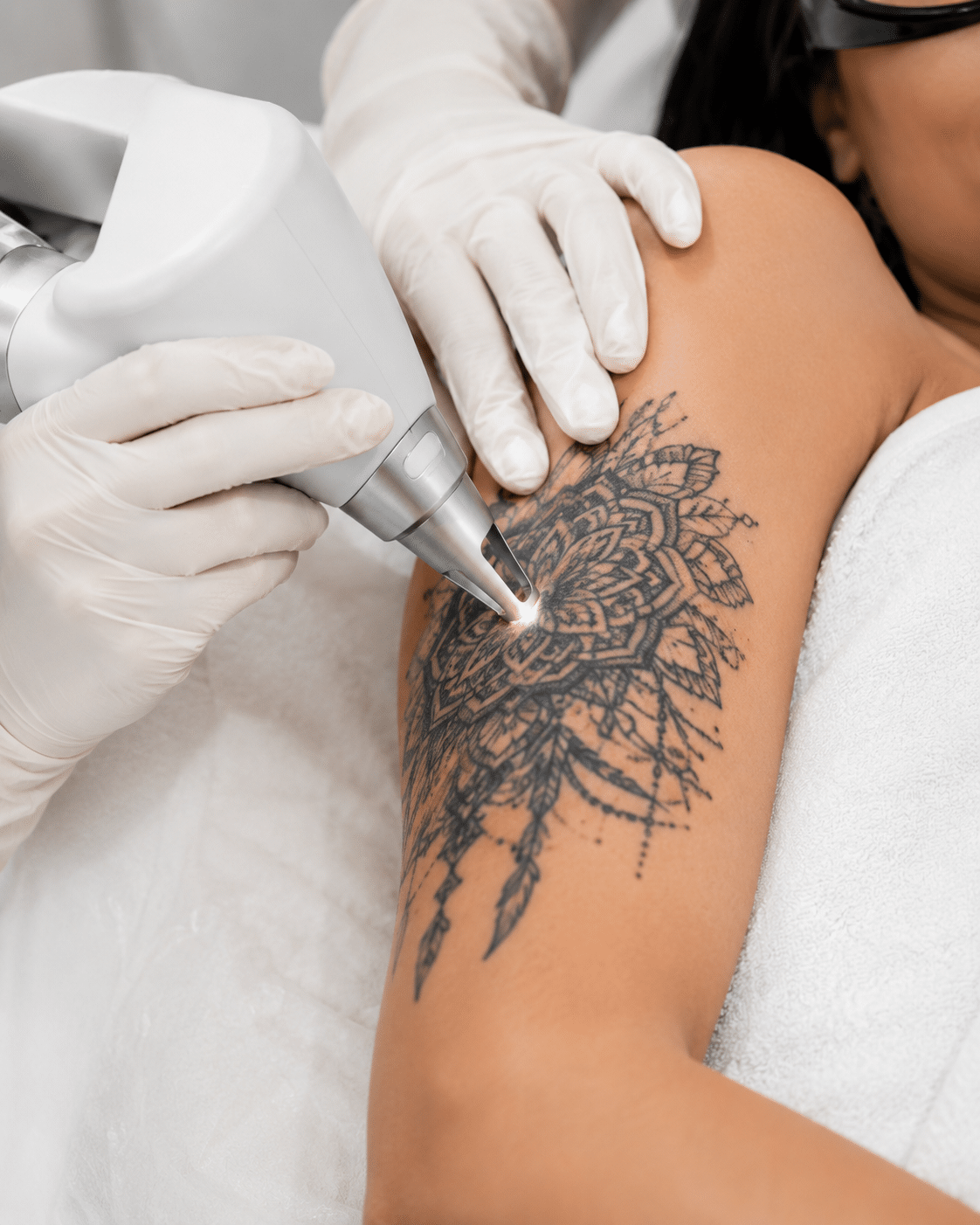
Laser Tattoo Removal clinical training course AML Laser Academy

Tattoo
Removal

Advanced laser strategies for safe, effective tattoo removal.
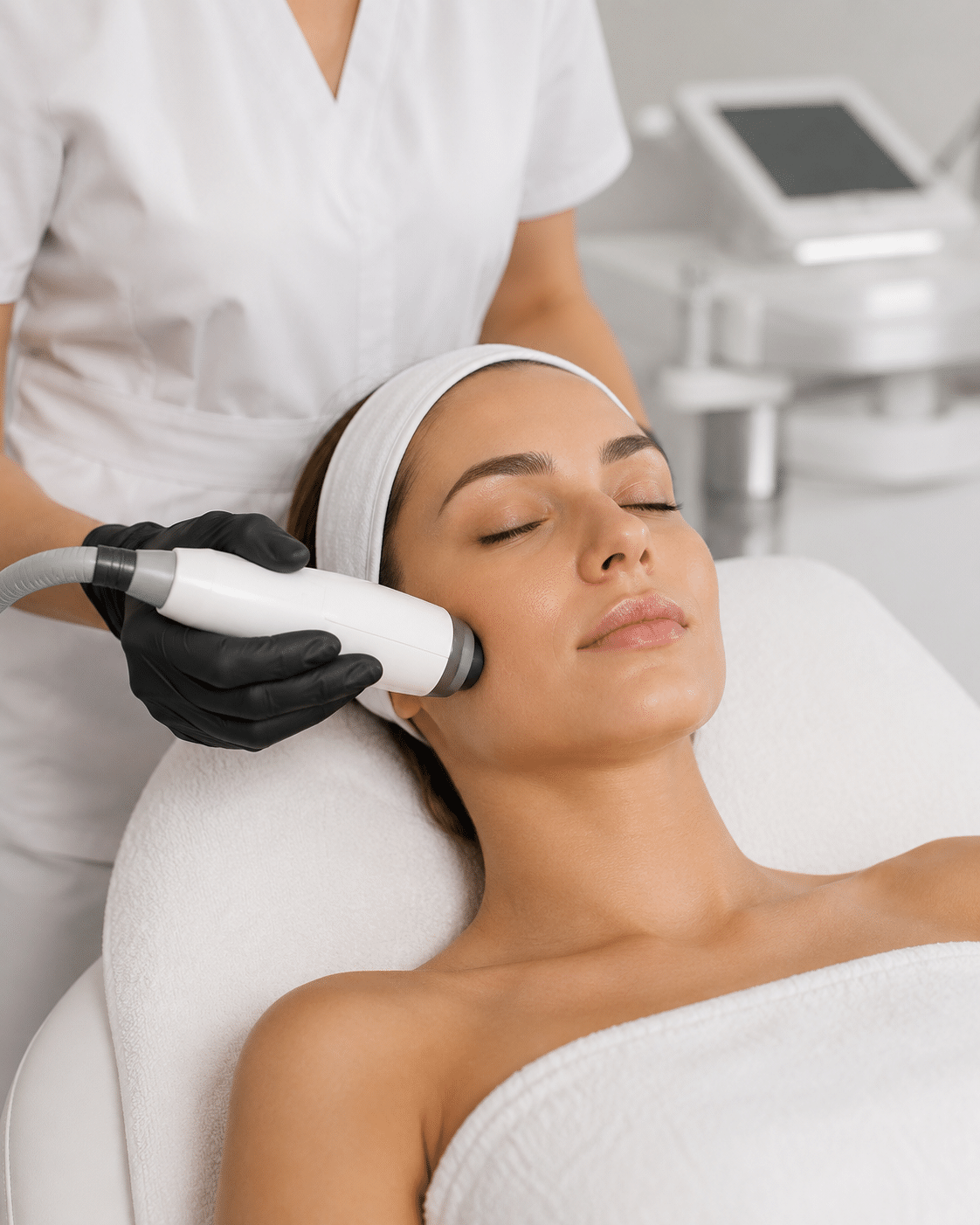
RF Skin Rejuvenation clinical training course AML Laser Academy

RF / Skin
Rejuvenation

Non-ablative solutions to tighten, brighten, and rejuvenate skin.
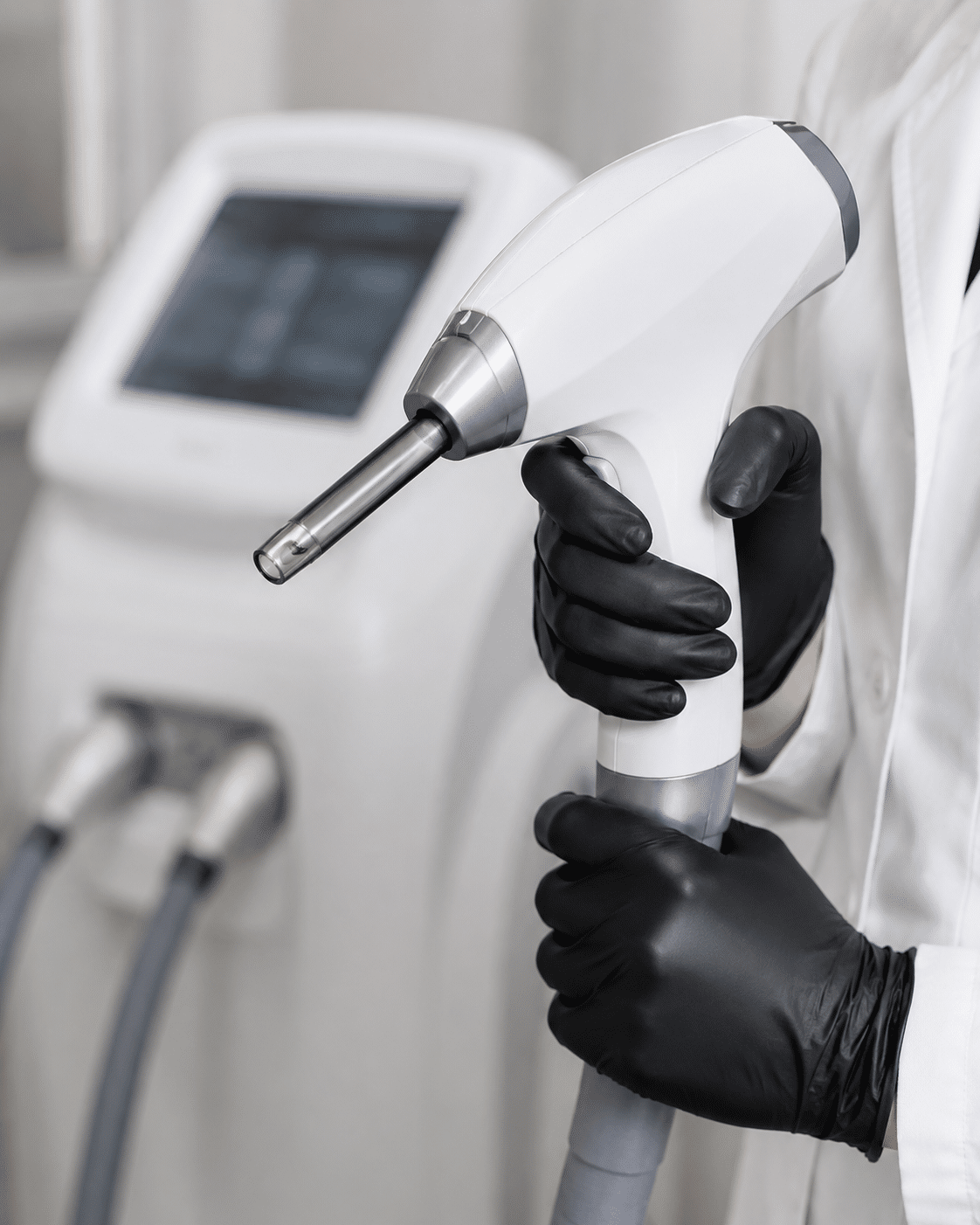
Laser Safety clinical training course AML Laser Academy

Laser
Safety

Essential safety standards, regulations, and best practices.

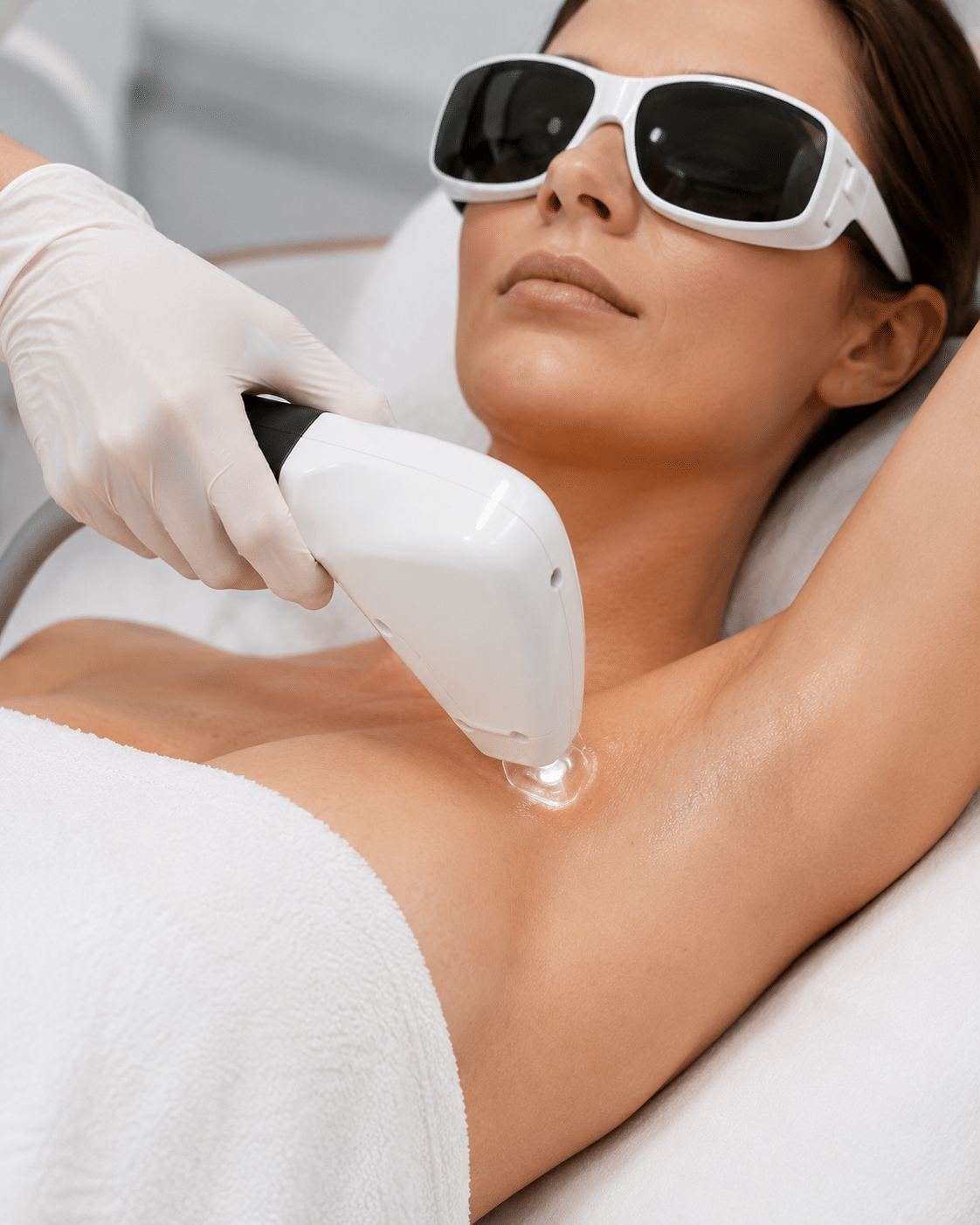
Advanced Laser Aesthetics Certification course image for professional laser training in aesthetic treatments and cosmetic laser procedures

Industry-Recognized Certification for Medical Spas, Clinics & Aesthetic Professionals

Master the industry’s most in-demand cosmetic laser treatments and launch a successful career with comprehensive laser aesthetics training.

The medical aesthetics industry is experiencing rapid and sustained growth, creating strong demand for properly trained and certified professionals. To succeed as a certified laser technician, you need more than a basic understanding of laser technology. You need a versatile, well-rounded skill set that includes laser hair removal, IPL skin rejuvenation, radio frequency treatments, and a clear understanding of laser safety certification requirements.

The AML Laser Academy Advanced Laser Aesthetics Certification Program is an expert-led training masterclass designed to prepare students for real-world practice. This advanced program delivers a complete laser aesthetics certification pathway, equipping students with the theoretical knowledge, cosmetic laser treatment protocols, and safety foundations required to work safely and effectively in medical spas, dermatology clinics, and high-end aesthetic practices.

What Is Included in This Advanced Laser Aesthetics Certification Program?

This advanced laser aesthetics certification program is a complete all-in-one training bundle that includes IPL Laser Hair Removal, Laser Tattoo Removal, RF Skin & Body Tightening, and Laser Safety Certification. All courses are included in a single program and are designed to prepare students for real-world professional practice.

Training is delivered through 4K high-resolution instructional videos taught by Dr. Leo Capobianco, supported by detailed written course materials. Students complete interactive quizzes (multiple-choice and true/false), practical assignments, and may retake assessments as needed until a passing score is achieved.

In addition to on-demand learning, students have direct access to live instructors for guidance and support, ensuring questions can be addressed throughout the training process. Together, these components create a structured, hands-on learning experience across today’s most in-demand laser and energy-based aesthetic technologies.

Master the most requested service in aesthetic medicine. Learn how cosmetic laser technology targets hair follicles for permanent laser hair reduction across all skin types on the Fitzpatrick scale, with a focus on safety, parameters, and treatment outcomes.

Deepen your cosmetic laser training by understanding how specific laser wavelengths safely fragment tattoo ink particles while minimizing risk to surrounding tissue.

Expand your skill set beyond cosmetic laser devices. This module covers radio frequency skin tightening, body contouring, and collagen remodeling techniques commonly used in modern aesthetic practices.

A critical component for every certified laser technician. This module provides the laser safety training required to understand hazard evaluation, regulatory safety standards, and foundational Laser Safety Officer (LSO) responsibilities.

Comprehensive Cosmetic Laser Training for Modern Professionals

This laser aesthetics certification program is designed to bridge the gap between theoretical knowledge and the practical experience needed to excel in the medical aesthetics industry. Our experienced instructors provide structured, personalized guidance on laser physics, laser equipment operation, laser equipment maintenance, and the latest cosmetic laser techniques used in professional settings.

By mastering a comprehensive range of cosmetic laser modalities, students gain the ability to safely treat different skin types and address a wide variety of skin concerns. The program emphasizes treatment planning, patient assessment, and laser safety protocols to ensure compliance with industry regulations and best practices.

Advanced Laser Aesthetics Certification Curriculum

Explore the complete Advanced Laser Aesthetics Certification curriculum, including laser safety, Laser Safety Officer training, IPL photofacial, IPL and laser hair reduction, tattoo removal, radiofrequency skin tightening, body contouring, sanitation, consent forms, med spa marketing, final assessment, and certificate completion.

What’s Included in the Advanced Laser Aesthetics Certification?

The Advanced Laser Aesthetics Certification includes training in laser safety, Laser Safety Officer responsibilities, IPL photofacial treatments, IPL and laser hair reduction, tattoo removal, radiofrequency skin tightening, RF body contouring, sanitation, consent forms, med spa marketing, and final certification assessment. Students learn core laser theory, client safety, Fitzpatrick skin typing, treatment planning, contraindications, and professional documentation. This program is designed for estheticians, beauty professionals, nurses, and medical aesthetics students seeking comprehensive online laser aesthetics education.

1.0 Laser Safety Officer (LSO) Manual
  • 1.1 Laser Safety Officer Manual Overview
  • 1.2 Laser Safety Officer Responsibilities
  • 1.3 Laser Safety Program Requirements
  • 1.4 Laser Safety Officer Documentation
  • 1.5 Laser Room Safety Procedures
  • 1.6 Equipment Safety Review
  • 1.7 Laser Safety Officer Quiz
  • 1.8 Laser Safety Officer Essay Assignment
2.0 Anatomy of the Skin
  • 2.1 Anatomy of the Skin Overview
  • 2.2 Epidermis, Dermis, and Subcutaneous Tissue
  • 2.3 Skin Barrier Function
  • 2.4 Melanin and Pigment Production
  • 2.5 Collagen and Elastin
  • 2.6 Hair Follicle Anatomy
  • 2.7 Blood Vessels and Vascular Targets
  • 2.8 How Skin Responds to Heat and Light
  • 2.9 Wound Healing Basics
  • 2.10 Anatomy of the Skin Quiz
3.0 Fitzpatrick Scale
  • 3.1 Fitzpatrick Skin Typing Overview
  • 3.2 Fitzpatrick Skin Types I–VI
  • 3.3 Skin Type and Laser Risk
  • 3.4 Skin Type and IPL Risk
  • 3.5 Higher-Risk Skin Considerations
  • 3.6 Pigmentation Risk Assessment
  • 3.7 Choosing Safer Treatment Settings by Skin Type
  • 3.8 Fitzpatrick Scale Quiz
  • 3.9 Fitzpatrick Scale Essay Assignment
4.0 Skin Conditions
  • 4.1 Common Skin Conditions Overview
  • 4.2 Pigmentation Disorders
  • 4.3 Sun Damage and Photoaging
  • 4.4 Melasma and Hyperpigmentation
  • 4.5 Redness and Vascular Concerns
  • 4.6 Acne-Prone and Sensitive Skin
  • 4.7 Active Infection and Open Skin
  • 4.8 Skin Conditions That May Delay Treatment
  • 4.9 When to Refer a Client to a Medical Provider
  • 4.10 Skin Conditions Quiz
5.0 Laser Safety
  • 5.1 Introduction to Laser Safety
  • 5.2 Laser Safety in Medical Aesthetics
  • 5.3 Laser Hazard Awareness
  • 5.4 Nominal Hazard Zone
  • 5.5 Controlled Treatment Areas
  • 5.6 Laser Warning Signs
  • 5.7 Fire Safety and Flammable Materials
  • 5.8 Laser Plume Awareness
  • 5.9 Smoke Evacuation and Ventilation
  • 5.10 Emergency Shutoff Procedures
  • 5.11 Laser Safety Quiz
  • 5.12 Laser Safety Essay Assignment
6.0 Laser Technology
  • 6.1 Laser Technology Overview
  • 6.2 Laser Physics Basics
  • 6.3 Laser Light, Energy, and Wavelengths
  • 6.4 Laser Beam Properties
  • 6.5 Laser-Tissue Interaction
  • 6.6 Absorption, Reflection, Scattering, and Transmission
  • 6.7 Chromophores: Melanin, Hemoglobin, Water, and Tattoo Ink
  • 6.8 Pulse Duration and Fluence
  • 6.9 Spot Size and Cooling
  • 6.10 Common Cosmetic Laser Devices
  • 6.11 Laser Technology Quiz
  • 6.12 Laser Technology Essay Assignment
7.0 Laser Consent Forms
  • 7.1 Laser Consent Form Overview
  • 7.2 Client Intake Forms
  • 7.3 Consultation Forms
  • 7.4 Medical History Forms
  • 7.5 Treatment Consent Forms
  • 7.6 Pre-Care and Post-Care Forms
  • 7.7 Laser Hair Reduction Consent Forms
  • 7.8 IPL Photofacial Consent Forms
  • 7.9 Tattoo Removal Consent Forms
  • 7.10 RF Treatment Consent Forms
  • 7.11 Photo Consent and Privacy
  • 7.12 Treatment Record Forms
  • 7.13 Incident Report Forms
  • 7.14 Laser Documentation Best Practices
8.0 Sanitation Guidelines
  • 8.1 Sanitation Guidelines Overview
  • 8.2 Treatment Room Cleanliness
  • 8.3 Hand Hygiene
  • 8.4 Surface Cleaning and Disinfection
  • 8.5 Device and Handpiece Cleaning
  • 8.6 Disposable Supplies and Barriers
  • 8.7 Preventing Cross-Contamination
  • 8.8 Blood and Body Fluid Awareness
  • 8.9 Waste Handling
  • 8.10 Room Setup Before Treatment
  • 8.11 Room Turnover After Treatment
  • 8.12 Common Sanitation Mistakes
  • 8.13 Sanitation Guidelines Quiz
9.0 Diamond Tip Microdermabrasion
  • 9.1 Diamond Tip Microdermabrasion Overview
  • 9.2 How Microdermabrasion Works
  • 9.3 Skin Exfoliation Principles
  • 9.4 Client Selection
  • 9.5 Contraindications
  • 9.6 Treatment Areas
  • 9.7 Device Handling and Technique
  • 9.8 Treatment Depth and Pressure Control
  • 9.9 Pre-Treatment Guidelines
  • 9.10 Post-Treatment Care
  • 9.11 Combining Microdermabrasion with Aesthetic Services
  • 9.12 Microdermabrasion Quiz
10.0 Laser Tattoo Removal
  • 10.1 Laser Tattoo Removal Overview
  • 10.2 How Laser Tattoo Removal Works
  • 10.3 Tattoo Ink and Skin Anatomy
  • 10.4 Tattoo Assessment
  • 10.5 Tattoo Age, Size, Color, and Location
  • 10.6 Professional vs. Amateur Tattoos
  • 10.7 Wavelength Selection for Tattoo Removal
  • 10.8 Black Ink Targeting
  • 10.9 Red, Orange, Blue, and Green Ink Targeting
  • 10.10 Multi-Color Tattoo Considerations
  • 10.11 Q-Switched Laser Technology
  • 10.12 Nanosecond Laser Technology
  • 10.13 Picosecond Laser Technology
  • 10.14 Frosting Response
  • 10.15 Treatment Planning and Session Spacing
  • 10.16 Healing Response and Aftercare
  • 10.17 Contraindications for Tattoo Removal
  • 10.18 Scarring and Pigment Change Risk
  • 10.19 Client Expectations and Gradual Fading
  • 10.20 Laser Tattoo Removal Quiz
  • 10.21 Laser Tattoo Removal Assessment
11.0 IPL and Laser Hair Reduction
  • 11.1 IPL and Laser Hair Reduction Overview
  • 11.2 How Laser Hair Reduction Works
  • 11.3 How IPL Hair Reduction Works
  • 11.4 Laser vs. IPL Hair Reduction
  • 11.5 Hair Growth Cycles
  • 11.6 Anagen, Catagen, and Telogen Phases
  • 11.7 Hair Color and Treatment Response
  • 11.8 Melanin Targeting
  • 11.9 Treatment Areas
  • 11.10 Client Selection
  • 11.11 Skin Type Considerations
  • 11.12 Treatment Settings and Parameters
  • 11.13 Fluence, Pulse Duration, Spot Size, and Cooling
  • 11.14 Safe Treatment Endpoints
  • 11.15 Pre-Treatment Instructions
  • 11.16 Post-Treatment Instructions
  • 11.17 Hair Shedding and Maintenance
  • 11.18 Contraindications
  • 11.19 Common Side Effects and Risk Reduction
  • 11.20 IPL and Laser Hair Reduction Quiz
  • 11.21 IPL and Laser Hair Reduction Assessment
12.0 IPL Photofacial
  • 12.1 IPL Photofacial Overview
  • 12.2 How IPL Photofacials Work
  • 12.3 Skin Rejuvenation Principles
  • 12.4 Pigmentation and Sun Damage
  • 12.5 Dark Spots, Freckles, and Age Spots
  • 12.6 Redness and Vascular Concerns
  • 12.7 Uneven Skin Tone and Texture
  • 12.8 Photo-Reversal Concepts
  • 12.9 Collagen Stimulation Basics
  • 12.10 IPL Filter Selection
  • 12.11 Wavelength Selection for Photofacials
  • 12.12 IPL Treatment Parameters
  • 12.13 Energy Level, Pulse Duration, and Cooling
  • 12.14 Client Selection
  • 12.15 Fitzpatrick Skin Type Considerations
  • 12.16 Pre-Treatment Instructions
  • 12.17 Post-Treatment Care
  • 12.18 Expected Skin Responses
  • 12.19 Treatment Series and Maintenance
  • 12.20 Contraindications
  • 12.21 Common Side Effects and Risk Management
  • 12.22 IPL Photofacial Quiz
  • 12.23 IPL Photofacial Assessment
13.0 RF Face Tightening
  • 13.1 RF Face Tightening Overview
  • 13.2 How Radiofrequency Energy Works
  • 13.3 Tissue Resistance and Controlled Heating
  • 13.4 Collagen Stimulation
  • 13.5 Elastin Support and Skin Firmness
  • 13.6 Facial Treatment Areas
  • 13.7 Neck and Décolleté Treatments
  • 13.8 Client Selection
  • 13.9 RF Treatment Parameters
  • 13.10 Temperature Monitoring
  • 13.11 Device Handling and Movement
  • 13.12 Client Comfort and Heat Feedback
  • 13.13 Pre-Treatment Instructions
  • 13.14 Post-Treatment Care
  • 13.15 Treatment Series and Maintenance
  • 13.16 RF Contraindications
  • 13.17 RF Safety and Risk Management
  • 13.18 RF Face Tightening Quiz
  • 13.19 RF Face Tightening Assessment
14.0 RF Skin Tightening and Body Contouring
  • 14.1 RF Skin Tightening and Body Contouring Overview
  • 14.2 Non-Invasive Body Contouring Concepts
  • 14.3 How RF Energy Affects Deeper Tissue
  • 14.4 Body Treatment Areas
  • 14.5 Abdomen, Arms, Thighs, Buttocks, and Flanks
  • 14.6 Skin Smoothing and Firming
  • 14.7 Cellulite Reduction Concepts
  • 14.8 Laser Fat Reduction Overview
  • 14.9 RF Fat Reduction Concepts
  • 14.10 Treatment Area Mapping
  • 14.11 Client Measurement and Progress Tracking
  • 14.12 Treatment Parameters for Body Areas
  • 14.13 Temperature Control for Body Treatments
  • 14.14 Device Movement and Treatment Patterns
  • 14.15 Client Comfort and Safety Monitoring
  • 14.16 Contraindications for Body Contouring
  • 14.17 Post-Treatment Recommendations
  • 14.18 Treatment Series and Maintenance Plans
  • 14.19 Body Contouring Risk Management
  • 14.20 RF Skin Tightening and Body Contouring Quiz
  • 14.21 RF Skin Tightening and Body Contouring Assessment
15.0 Med Spa and Clinic Marketing
  • 15.1 Med Spa and Clinic Marketing Overview
  • 15.2 Building a Professional Treatment Menu
  • 15.3 Laser Hair Reduction Service Packaging
  • 15.4 IPL Photofacial Service Packaging
  • 15.5 Tattoo Removal Service Packaging
  • 15.6 RF Skin Tightening Service Packaging
  • 15.7 RF Body Contouring Service Packaging
  • 15.8 Treatment Series and Membership Plans
  • 15.9 Pricing Strategy for Laser Services
  • 15.10 Client Retention Strategies
  • 15.11 Rebooking and Follow-Up Systems
  • 15.12 Social Media Content Ideas
  • 15.13 Website and SEO Basics
  • 15.14 Before-and-After Marketing Guidelines
  • 15.15 Ethical Advertising and Realistic Claims
  • 15.16 Building Trust with Clients
  • 15.17 Career Pathways in Medical Aesthetics
  • 15.18 Med Spa and Clinic Marketing Quiz
  • 15.19 Med Spa and Clinic Marketing Assessment
16.0 Final Laser Assessment
  • 16.1 Final Laser Exam
  • 16.2 Laser Safety Final Review
  • 16.3 Skin Anatomy Final Review
  • 16.4 Fitzpatrick Skin Typing Final Review
  • 16.5 Laser Hair Reduction Final Review
  • 16.6 IPL Photofacial Final Review
  • 16.7 Tattoo Removal Final Review
  • 16.8 RF Face Tightening Final Review
  • 16.9 RF Body Contouring Final Review
  • 16.10 Contraindications Final Review
  • 16.11 Documentation Final Review
  • 16.12 Final Laser Assessment Essay
  • 16.13 Final Course Completion Review
17.0 Certificate
  • 17.1 Certificate of Completion
  • 17.2 Course Completion Requirements
  • 17.3 Student Verification
  • 17.4 Professional Next Steps
  • 17.5 State Requirement Awareness
  • 17.6 Hands-On Training Awareness Where Required
  • 17.7 Continuing Education and Renewal Awareness
  • 17.8 Next Steps for Medical Aesthetics Practice

Why Choose Our Advanced Laser Certification Program?

  • A rewarding career path supported by continued demand for cosmetic laser treatments

  • Expert-led instruction from experienced industry professionals

  • A well-equipped curriculum covering cosmetic laser and energy-based modalities

  • Recognized credentials accepted by medical spas, dermatology clinics, and aesthetic practices nationwide

Career Opportunities in Medical Aesthetics

Graduates of the advanced laser aesthetics certification program are prepared for successful careers in:

  • Medical spas performing laser hair removal, skin tightening, and body contouring

  • Dermatology clinics assisting with skin resurfacing and fractional skin resurfacing procedures

  • Aesthetic practices managing laser equipment, cosmetic laser treatments, and safety protocols

Online Format: Hands-On Experience Without the Commute

This laser aesthetics training program is delivered 100% online and optimized to provide practical experience through high-definition clinical walkthroughs and guided instruction.

  • Expert instructors offering personalized, expert-led training

  • Flexible education designed to fit your schedule

  • No hands-on experience required to start

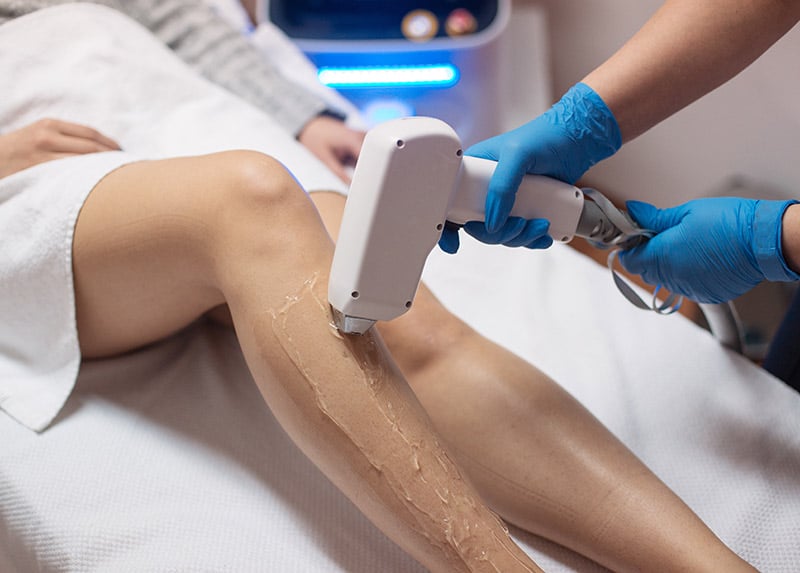
ipl-and-rf-laser-course

Laser Course Comparison

Designed to Meet OSHA and ANSI Z136.1 Standards — Accepted in All 50 States

Certification, Verification & Industry Compliance

Upon completion, graduates earn an Advanced Laser Aesthetics Certification and are recognized as certified laser technicians with in-demand skills. Each certification includes a unique verification ID to support compliance, employer verification, and professional credibility.

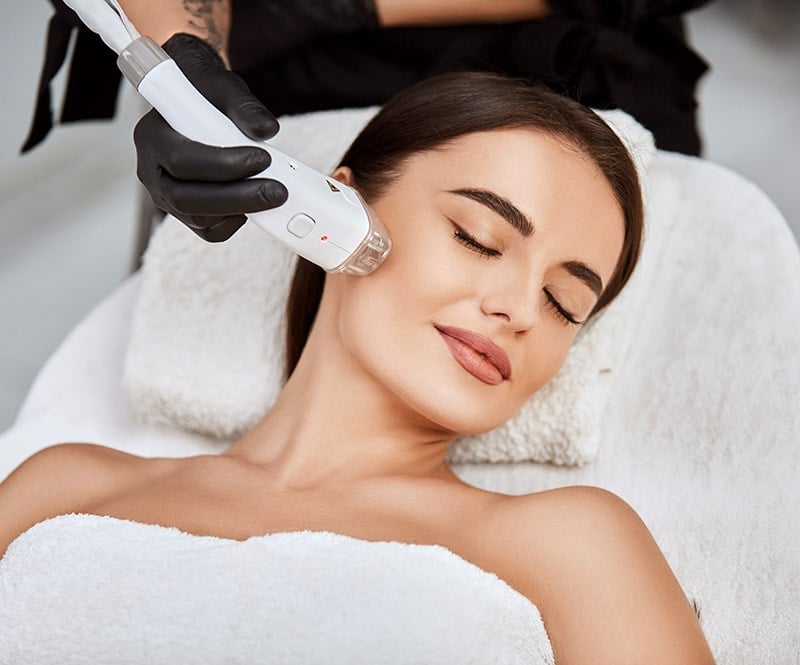
woman-getting-ipl-treatment

Launch Your Successful Career Today

Gain the cosmetic laser training, laser safety certification, and professional credentials needed to succeed in the medical aesthetics industry.

Student graduating from the AML laser academy

Helps Employers Meet OSHA’s General Duty Clause Training Requirements

Advanced Laser Aesthetics & Medical Aesthetics: 2026 Training Standards, Career Facts & Industry Outlook

Advanced laser aesthetics training helps students understand cosmetic laser safety, IPL treatments, laser hair reduction, tattoo removal, radiofrequency skin tightening, body contouring, client consultation, treatment planning, and professional safety standards used in medical spas, dermatology offices, and aesthetic clinics.

What should advanced laser aesthetics training include in 2026?

A comprehensive laser aesthetics certification program should include laser safety, laser physics, skin anatomy, Fitzpatrick skin typing, laser-tissue interaction, IPL photofacial training, laser hair reduction, tattoo removal, RF skin tightening, body contouring, sanitation, contraindications, documentation, and professional treatment protocols.

2026 Industry Standards & Hybrid Learning Models

In 2026, many professional laser aesthetics certification programs use flexible training models that combine online theoretical education with supervised hands-on practice where required by state law, employer policy, or clinical setting.

Comprehensive laser aesthetics certification programs may vary in length depending on the course provider, treatment modalities included, state requirements, and whether the program includes laser safety, IPL, tattoo removal, RF, body contouring, and hands-on clinical instruction.

Core Curriculum & Academic Foundations

Advanced laser aesthetics training commonly includes laser physics, skin anatomy, hair anatomy, laser-tissue interaction, Fitzpatrick skin typing, wavelength selection, treatment safety, and contraindication screening.

Students also learn professional consultation methods, treatment planning, client documentation, informed consent, pre-treatment preparation, post-treatment care, and safety protocols for medical aesthetics environments.

Treatment Modalities & Clinical Applications

Comprehensive laser aesthetics programs often include training in laser hair reduction, IPL hair reduction, IPL photofacials, laser tattoo removal, radiofrequency skin tightening, RF body contouring, cellulite reduction, and advanced skin rejuvenation concepts.

Students should understand how each modality works, which clients are appropriate candidates, what contraindications apply, and how to reduce treatment risks through proper screening, settings, documentation, and post-care.

Laser Safety, LSO Training & Regulatory Awareness

Laser and energy-based aesthetic treatments are regulated differently by each state. Licensing rules, medical supervision requirements, scope of practice, hands-on training expectations, and device-use restrictions may vary by jurisdiction.

Professional laser aesthetics training should include Laser Safety Officer awareness, laser hazard control, protective eyewear, treatment room setup, laser plume awareness, fire safety, equipment checks, client safety, and documentation procedures.

Medical Aesthetics Market & Career Outlook

The medical aesthetics and cosmetic laser industries continue to grow as clients seek non-invasive and minimally invasive treatments for skin rejuvenation, hair reduction, tattoo removal, tightening, and body contouring.

Career opportunities may be available in medical spas, dermatology clinics, plastic surgery offices, laser centers, wellness clinics, and advanced aesthetic practices, depending on state requirements, professional background, and employer policies.

Salary Expectations & Career Development

Laser technician income varies by location, experience, licensing background, treatment skill set, employer type, commission structure, and local demand. Professionals with training in multiple modalities may have more opportunities than those trained in only one service.

With experience, certified professionals may pursue advanced treatment roles, lead technician positions, med spa management, client consultation roles, training support positions, or independent business opportunities where legally permitted.

Why Certification Matters for Medical Aesthetics Professionals

Laser aesthetics certification helps demonstrate that a student has completed structured education in laser safety, client assessment, treatment theory, contraindications, and professional protocols.

While certification does not replace state licensing or hands-on requirements where applicable, it can support professional readiness, employer confidence, insurance documentation, continuing education goals, and safer client care.

Continue Your Laser Aesthetics Training Pathway

The Advanced Laser Aesthetics Certification supports professional training in laser safety, IPL, tattoo removal, laser hair reduction, radiofrequency skin tightening, body contouring, treatment planning, and medical aesthetics career development.

Strong safety knowledge and continuing education help support client trust, career confidence, and professional credibility.

Laser Safety Officer Certification Course

Review standalone laser safety training for students and professionals who want focused Laser Safety Officer education.

Safety & Infection Control Course

Support professional practice with additional training in sanitation, disinfection, PPE, treatment room safety, and infection control.

Bloodborne Pathogens Certification Online

Professionals working in medical spas and aesthetic practices can strengthen exposure prevention knowledge with BBP training.