
Laser Technician Certification: Training, Requirements & Career Guide
Learn how laser technician certification works, what professional training covers, how state requirements differ, and what to expect from a career in medical aesthetics.
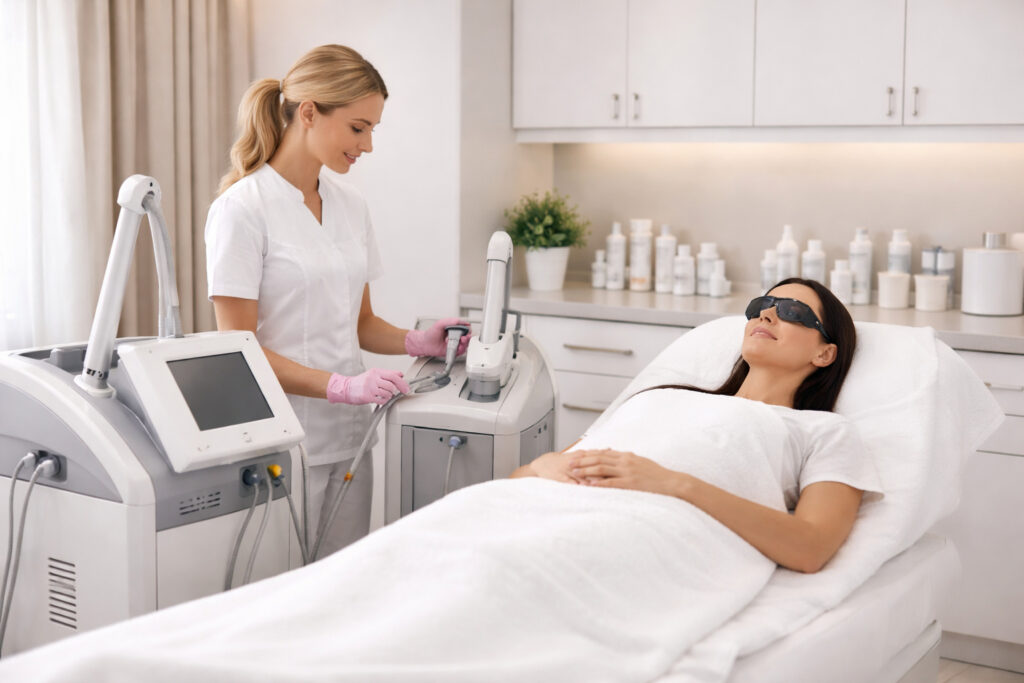
Laser technician certification is the foundation for working safely and professionally in medical aesthetics. In 2026, demand for trained laser professionals continues to grow as medical spas, dermatology clinics, and aesthetic practices expand their services. A structured professional laser certification program teaches you how laser technology interacts with skin, how to perform treatments safely, and how to meet compliance standards required in real-world clinical environments.
If you’re looking to become a laser technician from home, structured online certification programs provide a flexible and effective path to enter the field.
How to Become a Certified Laser Technician (Step-by-Step)
If you are researching how to become a laser technician, the process generally follows these essential steps:
Enroll in a professional laser technician certification program: Choose a reputable institution that provides both theoretical instruction and hands-on training.
Learn laser physics, safety protocols, and skin interaction: Understand the science behind the laser technology and how different wavelengths affect various tissue types.
Understand contraindications and treatment planning: Learn when it is unsafe to treat a patient and how to customize settings for optimal results.
Complete training and certification requirements: This includes passing your final examinations and documenting your clinical hours to earn your laser certification.
Follow your state regulations and supervision guidelines: Laws vary by region, so ensure your practice aligns with local medical board or aesthetic radiation safety requirements.
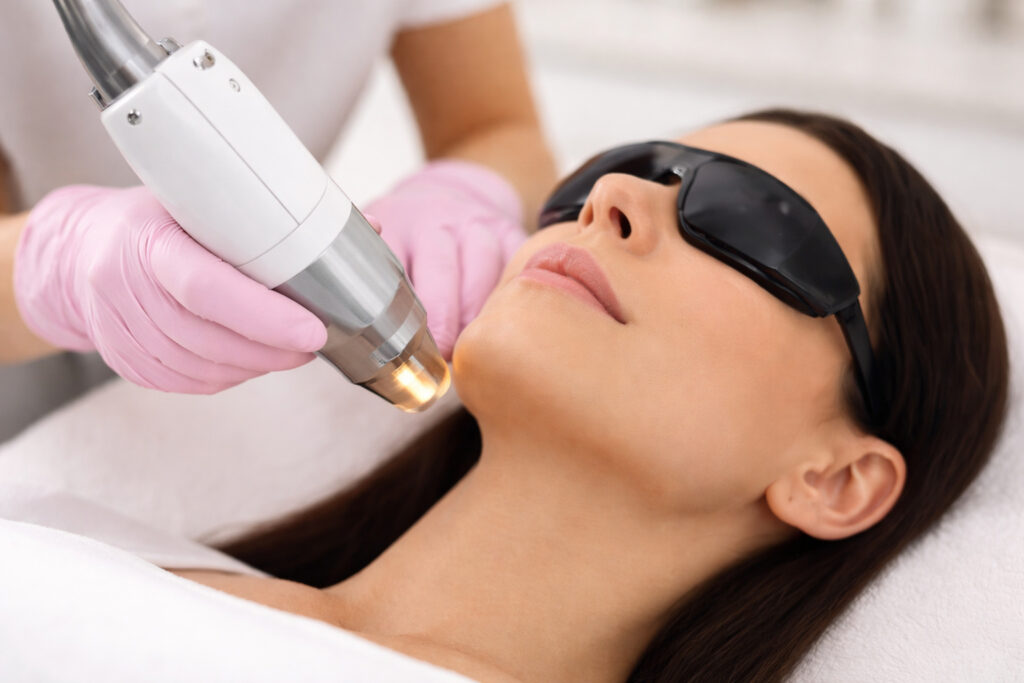
What You Learn in a Laser Technician Certification Program
A comprehensive laser safety certification course covers more than just firing a laser. By enrolling in top-tier laser certification programs, you will gain expertise in:
Laser safety standards: Adhering to OSHA and ANSI guidelines to ensure a hazard-free environment.
Skin types and treatment parameters: Master the Fitzpatrick scale and learn to adjust energy levels (fluency) and pulse duration.
Laser hair removal and IPL treatments: The core services of most medical spas.
Tattoo removal and pigment correction: Advanced techniques for addressing ink and sun damage.
Complication prevention and management: How to identify and handle adverse reactions.
Patient consultation and treatment planning: Building trust and setting realistic expectations for clients.
To meet compliance standards, many professionals also complete a laser safety certification course to ensure proper training in hazard control, patient safety, and regulatory requirements.

Laser Technician Salary Overview
Certified laser technicians typically earn between $50,000 and $90,000+ per year depending on experience, location, and specialization. Factors such as commission structures in high-end med spas and advanced certifications can significantly increase this earning potential.
For a complete breakdown, review our laser technician salary guide.
Is Laser Technician Certification Worth It?
Laser training programs are one of the fastest ways to enter the medical aesthetics field without attending years of traditional schooling. Many professionals recover their training investment within the first few months of working in a clinical or med spa environment.
When considering the laser training tuition and pricing, it is important to view it as a high-ROI career move. As the aesthetics industry moves further into non-invasive technology, certified technicians remain the most sought-after providers in the market.
Frequently Asked Questions
What are the requirements to enroll in a Laser Technician Certification program?
Most laser technician training programs require students to be at least 18 years old and hold a high school diploma or GED. Some states may require an existing professional license depending on local scope-of-practice regulations.
How long does laser technician training take?
Laser technician training programs typically range from 16 to 88 hours. Many structured programs can be completed within a few weeks depending on the format and clinical training requirements.
Is hands-on training required for laser technician certification?
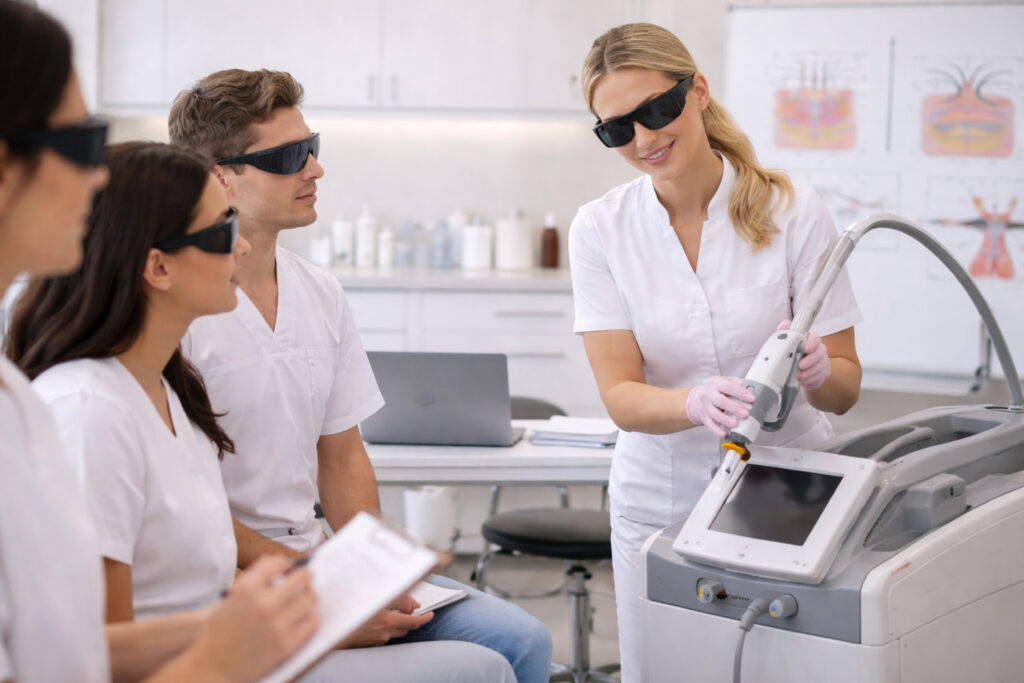
Yes. Hands-on clinical training is a critical component of reputable programs, allowing students to safely operate laser equipment and treat real-world cases under supervision.
What topics are covered in laser technician certification programs?
Training includes laser physics, skin anatomy, Fitzpatrick skin typing, safety protocols, device operation, and complication management. Many programs also include structured laser safety training to meet compliance requirements.
Is laser technician certification required by law?
Regulations vary by state. Some require certification, while others mandate physician supervision. Always verify local laws before practicing.
Do you need certification to work in a medical spa?
In most cases, working in a medical spa requires proper training and certification. Many employers and insurance providers expect documented laser training to ensure safety and compliance.
What is the difference between laser and IPL treatments?
Lasers use a single wavelength for precise targeting, while IPL uses a broader spectrum of light. IPL is generally less targeted, and regulations may differ between technologies.
What is the average salary of a certified laser technician?
Certified laser technicians can earn between $50,000 and $90,000+ depending on experience and location. For a full breakdown, review our laser technician salary guide.
Do laser technicians work under medical supervision?
In many states, laser technicians must work under a licensed physician or medical director, as many treatments are considered medical procedures.
Can laser technician certification lead to career advancement?
Yes. Certification can lead to advanced procedures, Laser Safety Officer roles, management positions, and expanded responsibilities in medical aesthetic practices.
Is the job outlook strong for laser technicians?
Yes. The demand for non-invasive cosmetic treatments continues to grow, and trained laser professionals remain in high demand across the aesthetics industry.
Recommended Certification Programs
Before enrolling in a program, professionals should understand Laser Safety Officer (LSO) Certification and compliance standards aligned with ANSI and OSHA.
Explore licensing requirements, salary expectations, and career pathways to make informed decisions in laser training.
Explore Our 3 Core Laser Career Guides
Continue your research with AML Laser Academy’s three primary guides covering professional certification, state requirements, and career earning potential.
Laser Technician Certification
Learn how professional laser training works, what certification programs cover, and how safety education supports career preparation.
You Are HereLaser License Requirements by State
Compare training, licensing, supervision, and scope-of-practice requirements across the United States.
View State Requirements → Salary GuideLaser Technician Salary Guide
Review earning ranges, career paths, experience factors, and employment opportunities in medical aesthetics.
Explore Salary Information →