Laser License Requirements by State (2026 Comprehensive Guide)

Last Updated: 2026

Overview of 2026 Regulations

Laser license requirements vary significantly by state. In 2026, most laser procedures—including laser hair removal, skin rejuvenation, and tattoo removal—are classified as medical treatments. This means oversight, certification, and training requirements differ depending on your location and professional background. Because laser hair removal regulations are constantly evolving, staying compliant with state regulations is essential for all laser operators. These laser certification requirements vary by state and professional license type.

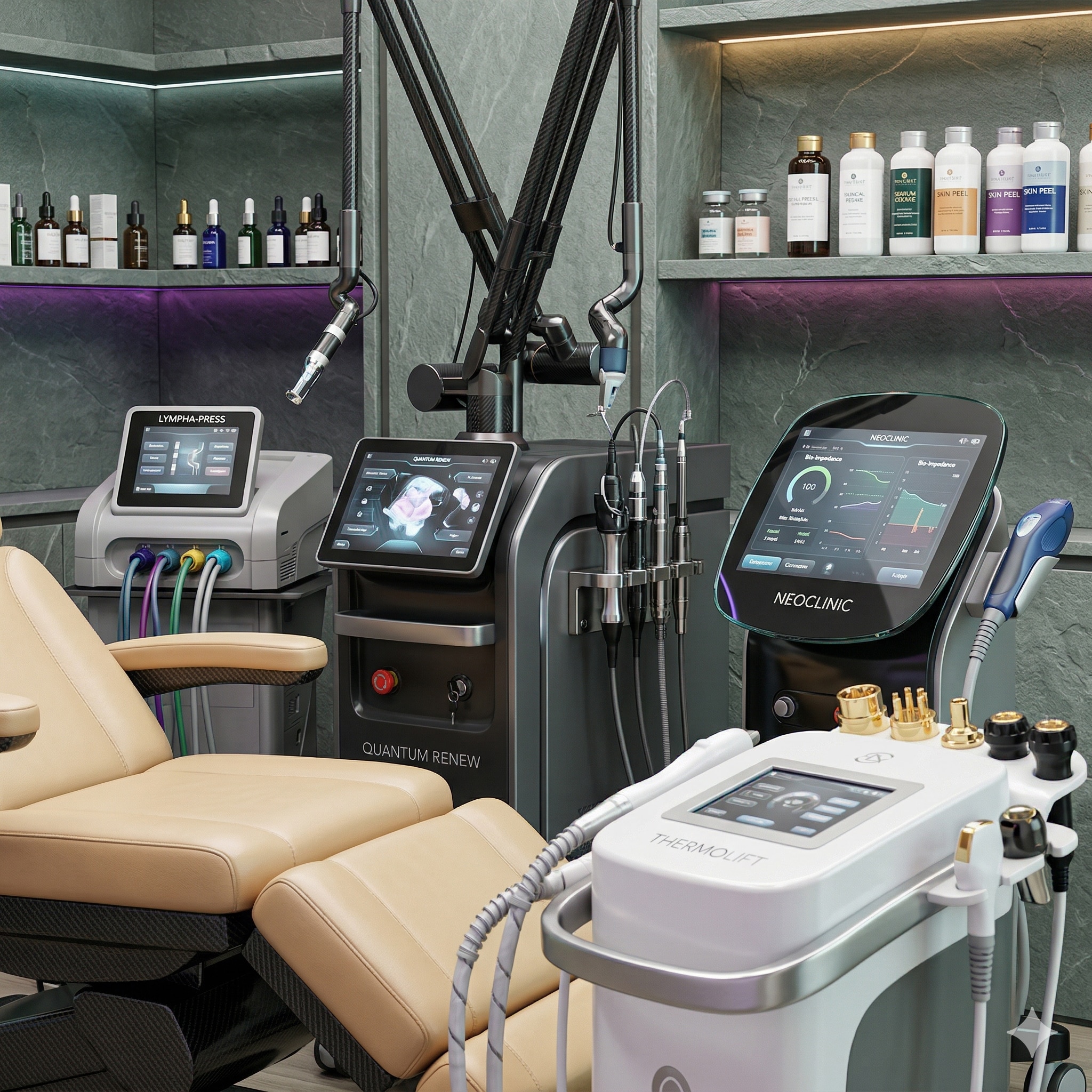
medical aesthetic laser equipment used in licensed treatment facility

Licensing for Laser Treatments

In most states, laser treatments fall under strict medical regulations. While some states permit estheticians to perform laser hair removal under specific medical supervision, other states require direct physician oversight or restrict the use of equipment entirely to medical professionals such as Physician Assistants, RNs, NPs, or MDs.

Before starting, it’s important to understand certification requirements and training pathways. Before choosing a program, review how to become a laser technician to understand certification pathways. You can also explore the specific certification process to see if your background qualifies you for the 2026 workforce.

laser license requirements by state USA regulatory overview map

Ablative vs. Non-Ablative Procedures

State medical boards often distinguish between the intensity and depth of the procedure:

  • Non-Ablative (e.g., Laser Hair Removal, IPL): Often permissible for non-medical personnel or those with an esthetician license to perform under specific medical oversight.

  • Ablative (e.g., CO2 Resurfacing): Typically restricted to medical professionals because these laser services remove the top layer of skin and carry significantly higher risks, often requiring direct supervision.

Laser Safety Officer Protocols and Protective Equipment

Standards for Medical Direction & Oversight

As of 2026, many states have moved away from “standing orders” to more rigorous safety standards. Most laws now require a Medical Director (MD or DO) to oversee any facility using a Class IV laser or Class 3B device.

  • The Good Faith Exam: Most states now require a physician or mid-level provider to perform an initial health history review and in-person exam before a technician can initiate treatment.

  • Individualized Treatment Plans: Legislation in California and New York now prohibits “one-size-fits-all” protocols. Every patient must have a specific medical order signed by the delegating physician.

  • Medical Service Organizations (MSO): If you are a non-physician owner, you likely need an MSO structure to legally partner with a medical director.

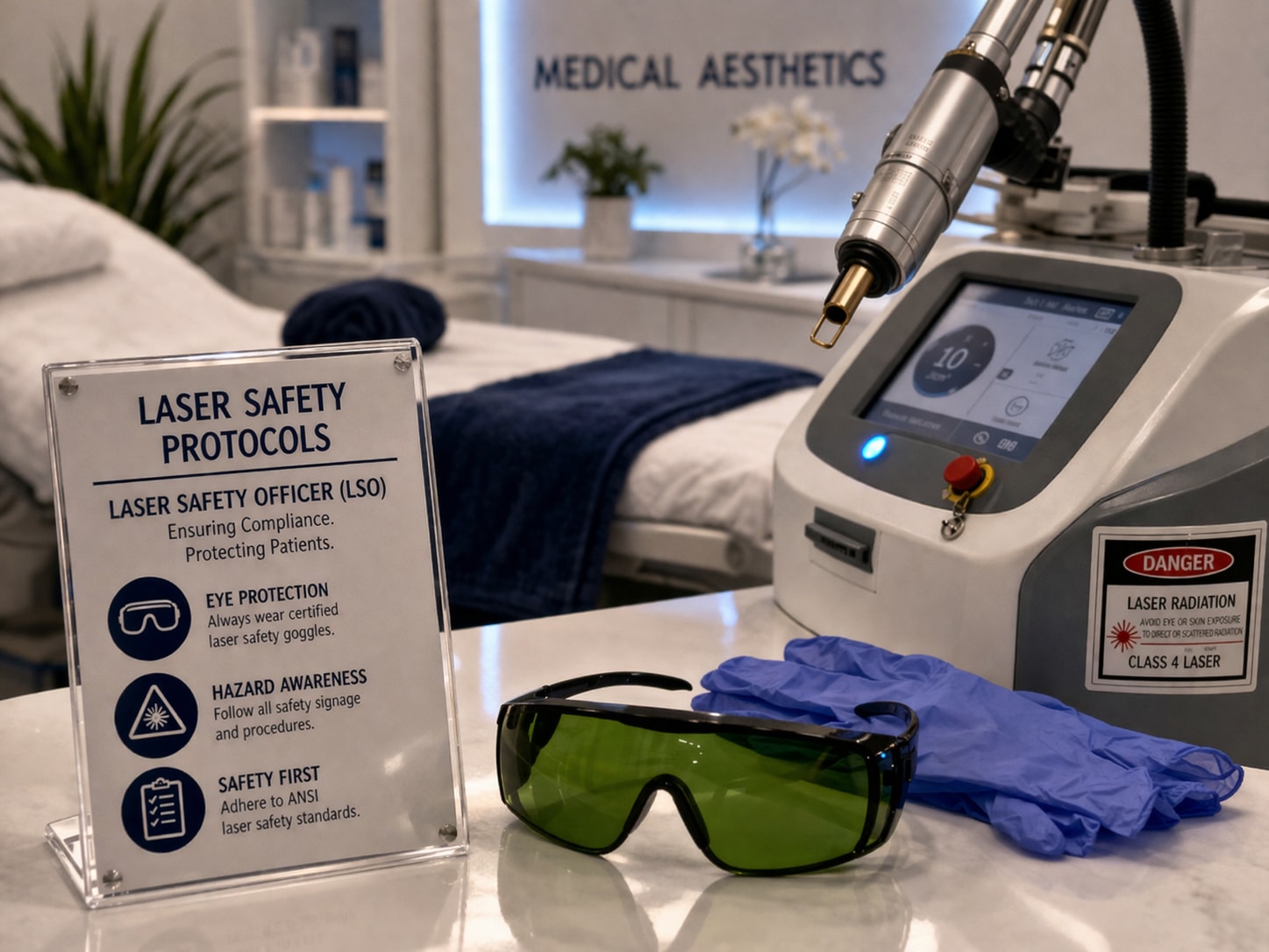
  • Laser Safety Officer (LSO): Most facilities are required or strongly recommended to appoint an LSO to manage laser physics safety, protective eyewear protocols, and ANSI Z136 compliance.

Core Laser License Models Used by States


Laser license requirements generally fall into four common regulatory models across the United States:

  • Physician-Only States: Only physicians (and closely supervised providers) can perform treatments.

  • Physician-Delegation States: Doctors delegate procedures under protocols.

  • Licensed Technician States: Estheticians or non-medical professionals can perform treatments with certification.

  • Minimal or Evolving Regulation States: Regulations are unclear or changing.

State-Specific Requirements and Updates

California


California
maintains some of the nation’s strictest laws. Most laser procedures are considered medical procedures.

  • Who can operate: Only physicians, physician assistants, NPs, and RNs under physician supervision.

  • 2026 Update: Following the 2026 Sunset Review, the state has increased enforcement against unlicensed “laser technicians.” Estheticians are strictly prohibited from operating lasers, even under supervision.

Texas

The Texas Department of Licensing and Regulation utilizes a tiered registration system.

  • Requirements: Technicians must complete additional training (40 hours) and pass a state-proctored exam to become a “Certified Laser Hair Removal Professional.”

  • Supervision: A medical director must be identified for every facility providing laser hair removal.

New York

Recent regulatory updates in New York emphasize increased oversight for laser procedures.

  • 2026 Legislative Update: Recent regulatory updates in New York are moving toward the formalization of a specific Laser Hair Removal Technician License (Senate Bill S6231A). The NY Department of State issued a 2026 Consumer Alert requiring medical consultations before any laser procedure to combat unlicensed med spa activity.

Arizona

Arizona is a regulatory leader, requiring laser operators to graduate from a state-certified 88-hour laser training program.

  • Breakdown: 40 hours of laser physics and theory, and 48 hours of clinicals. Oversight is managed by the state’s non-ionizing radiation board.

Florida

Florida allows certain laser treatments under physician supervision, often requiring medical licenses or specific electrology certifications depending on the technology used.

Common Laser Treatments Covered Under Regulations

  • Laser hair removal

  • IPL (Intense Pulsed Light)

  • Skin resurfacing (ablative and non-ablative)

  • Tattoo removal

  • Pigment and vascular treatments

The Role of the Laser Safety Officer (LSO)


In many states and facilities, a Laser Safety Officer is required to oversee safety protocols, enforce protective measures, and maintain compliance with ANSI standards. To meet these standards, many professionals complete a laser safety certification course to build a strong foundation in safety and compliance.

Laser Technician Performing Treatment in Medical Spa

Career Path and Certification Process

To work as a laser technician in 2026, you must often meet specific education requirements:

  • Check Local Statutes: Determine if your state requires a prior medical or esthetician license.
  • Enroll in Certification: Complete specific training that meets ANSI Z136.3 standards.
  • Hands-on Training: Ensure the program includes clinical training hours on actual technology. This includes learning skin typing to avoid burns. You can also explore laser training tuition and pricing to understand the investment required to enter the field.
  • Continuing Education: Many states require annual continuing education to maintain certification and stay updated as rules change.

Laser Technician Salary Overview

In 2026, technicians with specific training and experience requirements earn between $50,000 and $90,000+. You can also review current salary trends before choosing a certification path. For a full breakdown, see our laser technician salary guide.

Frequently Asked Questions


Do you need a license for laser hair removal?

In many states, yes or under medical supervision. Laser hair removal is often classified as a medical procedure, meaning professionals must follow state regulations and supervision requirements before performing treatments.

Do laser license requirements vary by state?

Yes. Laser license requirements vary by state depending on medical board regulations, supervision rules, and professional licensing requirements. Always verify your local laws before performing treatments.

Can estheticians perform laser treatments?

In some states, estheticians can perform laser treatments under physician supervision. In other states, lasers fall outside the esthetician scope of practice and are restricted to medical professionals.

Do you need certification for laser treatments?

Yes. Even in states without strict licensing, most employers, medical directors, and insurance providers require formal certification and safety training. Many professionals complete a laser safety certification course to meet compliance standards.

What is a Laser Safety Officer (LSO)?

A Laser Safety Officer is responsible for enforcing safety protocols, managing hazard controls, and ensuring compliance with ANSI safety standards within a facility.

What states have strict laser regulations?

States such as California, Texas, Florida, and Arizona have structured regulations for laser treatments, often requiring medical supervision, certification, and documented training.

Is online laser training accepted?

Online training is commonly accepted for theoretical education, but most states and employers require hands-on clinical training to ensure competency with laser devices and patient safety.

How much can a laser technician earn?

Laser technicians typically earn between $50,000 and $90,000+ depending on experience and location. You can review current salary trends in our laser technician salary guide.