
What Does a Medical Esthetician Do? Salary, Duties & Training Requirements (2026)
A medical esthetician is a licensed skincare professional who works in medical environments such as medical spas, dermatology clinics, and plastic surgery centers. In 2026, medical esthetics has evolved into a science-driven field that combines advanced skin care treatments with clinical safety protocols. Professionals in this field assist with laser treatments, chemical peels, and patient care while working under medical supervision. For those looking to enter this growing industry, understanding training, certification, and career potential is the first step.
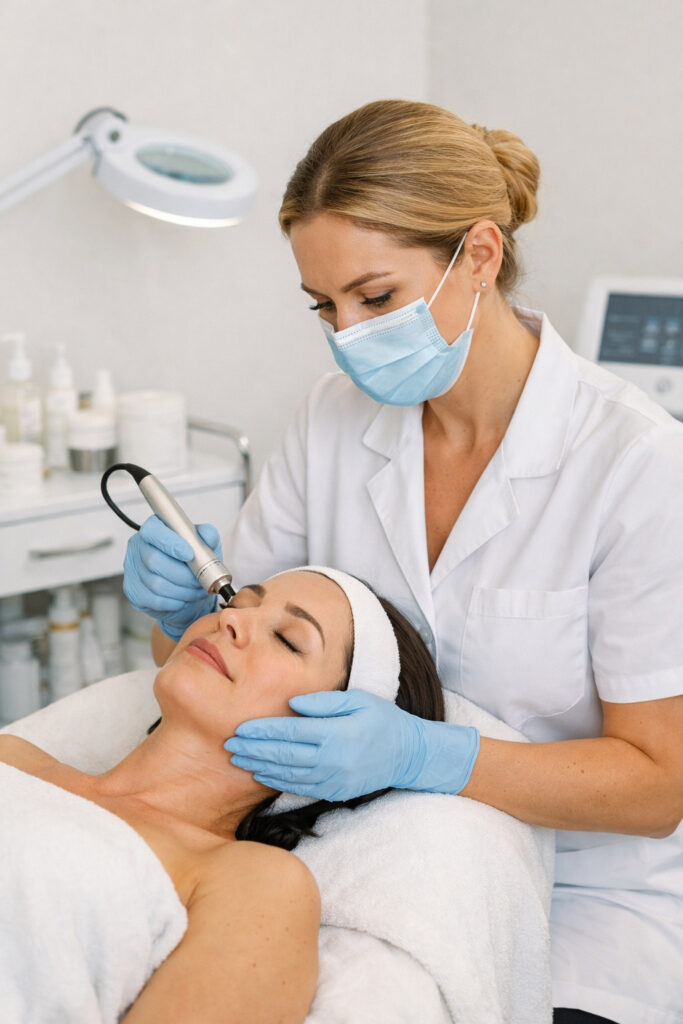
Definition: Esthetician vs. Medical Esthetician
- Esthetician: Focuses on spa and salon environments, relaxation-oriented treatments, makeup application, basic facials, and waxing.
- Medical Esthetician: Works in a clinical setting or medspa performing medical-grade procedures like laser treatments and advanced chemical peels under the supervision of a medical doctor or medical director.
What Is a Medical Esthetician?
A medical esthetician bridges the gap between the beauty industry and medicine. While both focus on skin care, the clinical setting changes expectations. In a spa, the focus is relaxation; however, medical aestheticians prioritize patient care, measurable outcomes, and safety.
Importantly, becoming a medical esthetician does not require formal medical training such as nursing school. However, it does require advanced training beyond basic school. These medical aestheticians are not replacing medical professionals; they are part of the clinical practice team, helping to assist patients as they prepare for procedures, recover safely, and maintain results. For those actively seeking a successful career, obtaining specialized training is the first step.
Daily Responsibilities in a Clinical Setting
A medical esthetician working in modern medical practices quickly realizes that their daily practice involves high-stakes skin management and collaboration with medical professionals. Typical duties include:
- Performing detailed skin care analysis and creating individualized treatments plans.
- Assisting with laser treatments and conducting laser hair removal where permitted. To expand your skills, many professionals enroll in a laser safety certification course to meet compliance and workplace state requirements.
- Performing medical-grade chemical peels and advanced chemical exfoliation procedures.
- Conducting microneedling and scar therapy to assist patients.
- Monitoring post-procedure recovery and managing documentation for clinical practice compliance.
- Recommending medical-grade skincare products for therapeutic improvement.

Salary Expectations in 2026
Medical aestheticians working in medical spas or dermatology clinics generally earn more than traditional skincare specialists.
| Experience Level | Annual Salary Range | Typical Rate Per Hour |
|---|---|---|
| Entry-Level (0–1 Years) | $52,000 – $65,000 | $25 – $32/hr |
| Mid-Level (2–5 Years) | $70,000 – $95,000 | $35 – $48/hr |
| Experienced (5+ Years) | $95,000 – $110,000+ | $50 – $65/hr |
Career Growth & Income Potential
Medical estheticians and laser professionals can earn between $50,000 and $90,000+ per year depending on experience, location, and the services offered. Many professionals recover their training investment within the first few months of working with clients. You can also review laser training tuition and pricing to understand the enrollment process, investment, and career return.
Education and Training Pathway
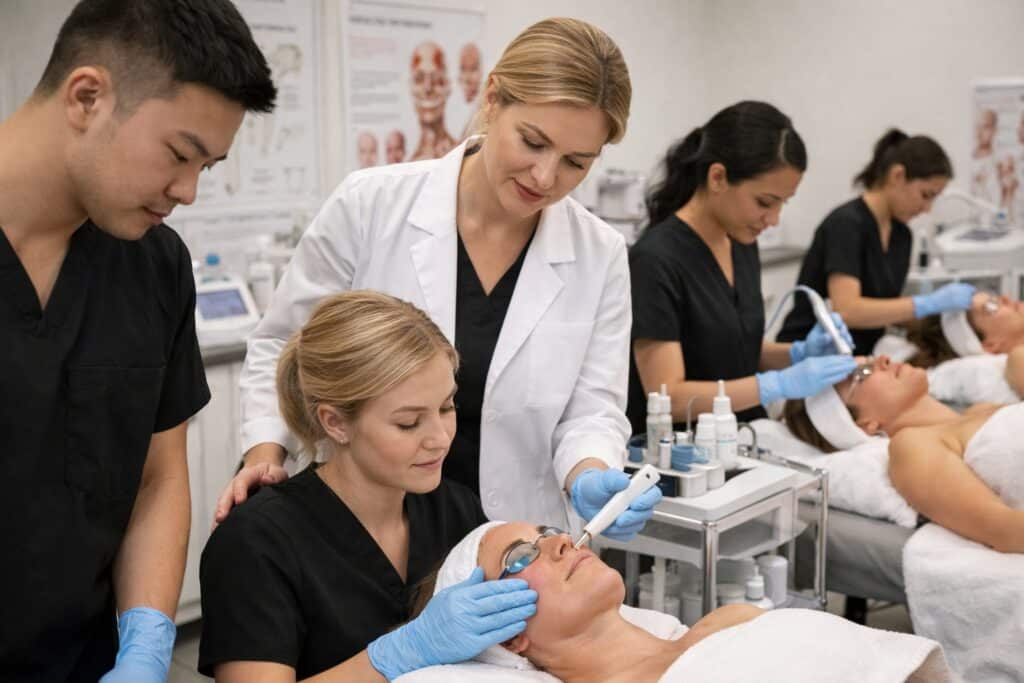
The career path begins with esthetics school, where students must complete a state-approved program (typically 600 to 1,500 hours). After successful completion of basic schooling and obtaining a license, graduates enroll in advanced training or medical esthetics specialized courses. Many professionals choose structured online programs to gain flexible, real-world experience through modern laser training platforms.
Core Training Components:
Laser Technology: Comprehensive training in various laser modalities.
Advanced Peels: Education on chemical peels and chemical exfoliation beyond superficial depth.
Patient Care: Instruction in clinical setting safety protocols and wound healing.
Practical Skills: Students receive hands on experience to build professional confidence and follow ANSI laser technology standards.
Medical Esthetician vs. Laser Technician
While a laser technician focuses primarily on laser hair removal, a medical esthetician offers more services, including medical treatments, microneedling, and post-operative skin care. Many licensed estheticians choose to hold both certifications to maximize their versatility in the wellness industry.
How to Become a Medical Esthetician in 2026
Complete a state-approved esthetics program: This is the foundation for all students.
Obtain your esthetician license: Licensed estheticians are required before entering medical environments.
Enroll in advanced medical or laser training: Seek quality education that offers hands on training.
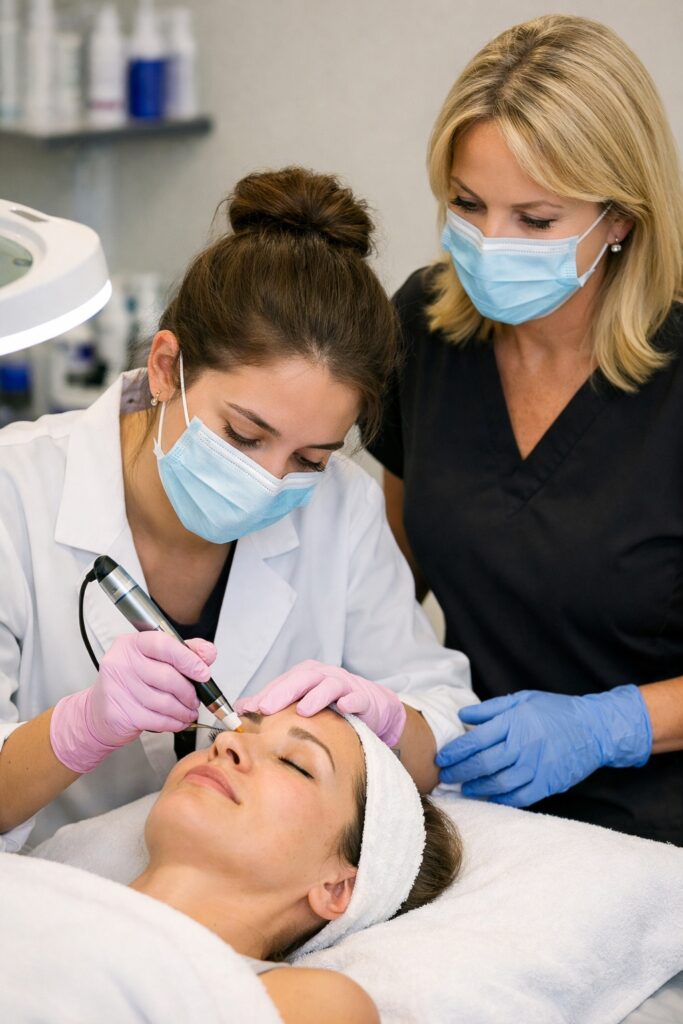
Gain hands-on experience in a clinical setting: Build your practical skills under a medical doctor.
Continue education and certifications: Student success depends on continuing education opportunities and staying current with new techniques.
State Licensing and Regulations
State licensing laws determine the “scope of practice.” Some state requirements mandate direct supervision by a medical director, while others allow more independence. Always review state licensing guidelines before you enroll in courses to ensure your business or career remains compliant.
Career Growth Opportunities
Senior Clinical Roles: Leading medical treatments teams in dermatology offices.
Education: Becoming instructors or lead trainers for medical aesthetics companies.
Management: Running operations for high-end medical spas.
Entrepreneurship: Starting your own business or specialized training center (where legally permitted).
Frequently Asked Questions
Is “medical esthetician” a separate state license?
In most states, “medical esthetician” is not a separate license. It is a professional designation used for licensed estheticians who complete advanced training and work in medical or clinical environments under appropriate supervision.
What training is required to become a medical esthetician?
The process begins with completing a state-approved esthetics program and passing the required written and practical licensing exams. Many professionals then pursue advanced training in medical-grade procedures and laser-based treatments to work in clinical settings.
Can medical estheticians perform laser treatments?
Laser treatment eligibility depends on state regulations and supervision requirements. Some states permit licensed estheticians to perform certain laser procedures under physician oversight, while others restrict laser use to medical professionals.
Do you need certification to work in a med spa?
In most cases, working in a medical spa requires proper licensing and additional training depending on the procedures performed. Many employers and insurance providers expect documented certification in advanced treatments such as laser procedures.
What is the difference between a regular esthetician and a medical esthetician?
Regular estheticians typically work in spas and focus on relaxation-oriented services. Medical estheticians work in clinical environments and assist with advanced skin treatments designed to improve skin health under medical supervision.
How much can a medical esthetician earn in 2026?
Earnings vary based on experience, location, and clinical setting. Entry-level professionals often earn in the low-to-mid $40,000 range, while experienced medical estheticians working in high-volume practices may earn significantly more.
Is continuing education important in medical esthetics?
Yes. Medical aesthetics evolves rapidly. Ongoing education helps practitioners stay current with safety standards, treatment protocols, and new technologies used in clinical skincare.