
100% Online and Self-Paced
Complete lessons, demonstrations, activities, and assessments from home, your office, or your medical spa without required Detroit classroom dates.

AML Laser Academy · Professional Online Education
Build advanced cosmetic laser knowledge online from Detroit with flexible, self-paced education in laser hair removal, IPL, radiofrequency, tattoo removal, skin rejuvenation, laser safety, and professional client care.
A Faster, More Flexible Path
Detroit’s medical-aesthetics industry is creating new opportunities for nurses, physicians, physician assistants, nurse practitioners, estheticians, laser technicians, medical-spa teams, and career-focused professionals who understand advanced cosmetic technology.
Today’s clients are looking for more than traditional skincare. They are seeking laser hair removal, IPL photofacials, tattoo removal, skin tightening, pigmentation treatments, body-contouring services, and advanced skin rejuvenation.
That demand creates opportunity—but only for professionals who understand the science, safety, client assessment, treatment planning, and professional responsibilities behind cosmetic laser procedures.
AML Laser Academy gives Detroit-area students a faster, more flexible way to build that knowledge. Our online cosmetic laser training courses allow you to study from Detroit, Dearborn, Troy, Royal Oak, Southfield, Novi, Birmingham, Bloomfield Hills, or anywhere in Southeast Michigan without waiting for a classroom date or traveling across the country.
You can begin after enrollment, progress on your own schedule, replay detailed treatment demonstrations, complete online assessments, and maintain lifetime access to your enrolled course materials.
Whether you want to enter medical aesthetics, expand an existing career, train a medical-spa team, prepare for hands-on laser education, or introduce new treatment technologies into a practice, AML gives you a clear path forward.
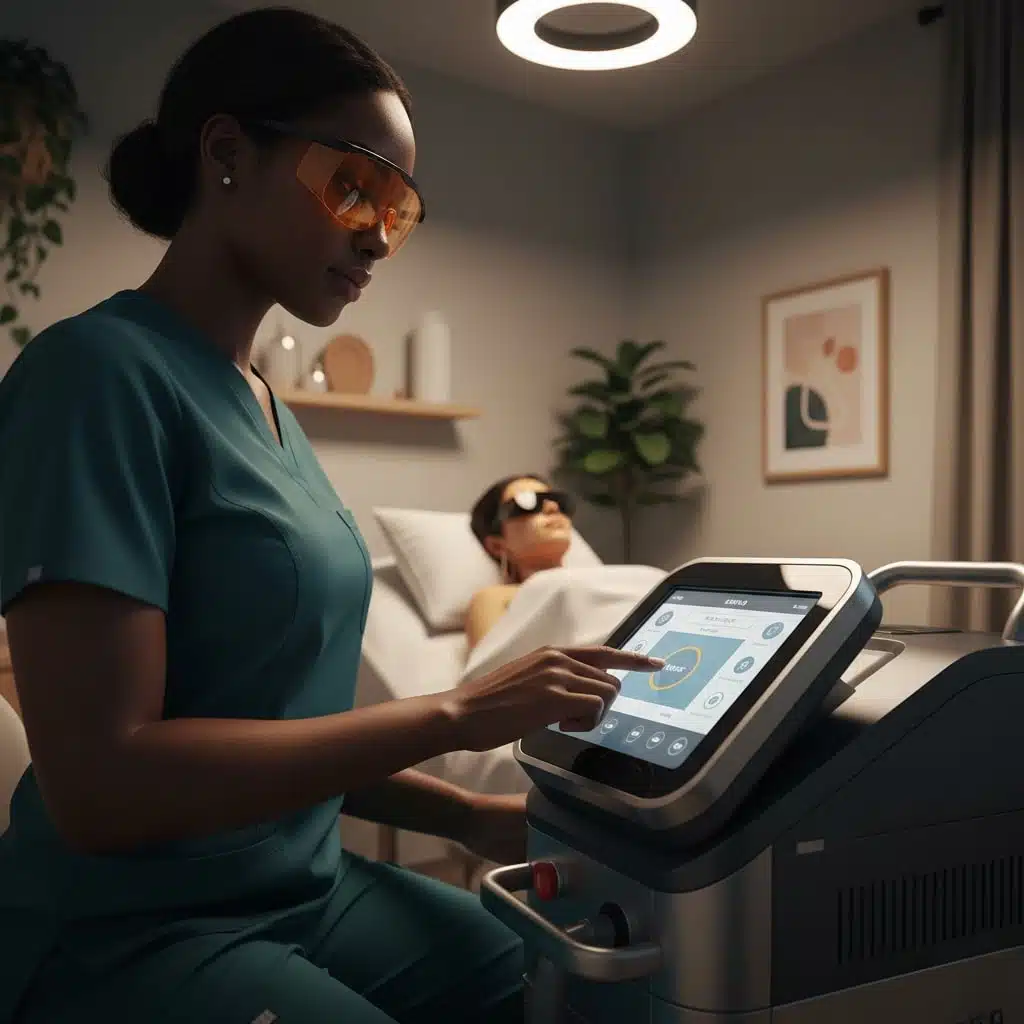

Why Detroit Professionals Choose AML
AML Laser Academy combines flexible access, treatment demonstrations, multiple technologies, lifetime course materials, professional certification, and medical curriculum oversight.
Complete lessons, demonstrations, activities, and assessments from home, your office, or your medical spa without required Detroit classroom dates.
Review patient positioning, practitioner positioning, equipment workflow, treatment concepts, safety practices, and professional technique through replayable video instruction.
Study laser hair removal, IPL, radiofrequency, tattoo removal, photofacials, skin rejuvenation, resurfacing concepts, laser safety, infection control, and more.
Return to enrolled course materials to review demonstrations, safety information, contraindications, consultation topics, and treatment concepts later.
Successful students receive an AML Laser Academy certificate featuring a unique Verification ID for their professional training record.
AML’s medically informed educational approach emphasizes science, safety, client assessment, contraindications, treatment planning, and responsible aesthetic practice.
AML Laser Academy by the Numbers
AML has helped professionals around the world access career-focused aesthetic education without the barriers of traditional classroom instruction.
What You Will Learn
A strong cosmetic laser course should teach more than machine operation. Professional education begins with understanding how energy interacts with skin and tissue, how clients are evaluated, how risk is identified, and how treatment decisions are made.

Learn how laser and light energy interacts with melanin, hemoglobin, water, and tattoo pigment, including energy absorption, thermal response, and wavelength selection.
Study how skin type, tanning history, recent sun exposure, medications, pigment, hormones, and previous treatment reactions may influence client selection and planning.
Review client goals, health history, expectations, previous procedures, medications, contraindications, preparation, treatment timelines, aftercare, consent, and documentation.
Study active infection, photosensitivity, medications, recent tanning, pregnancy considerations, healing concerns, skin conditions, previous reactions, and unrealistic expectations.
Learn laser classifications, beam and non-beam hazards, controlled treatment areas, warning signs, operating procedures, fire prevention, documentation, and incident response.
Understand why eyewear must match wavelength and optical-density requirements to protect practitioners, clients, assistants, and others in the treatment environment.
Review treatment-room preparation, flammable-material awareness, oxygen safety, smoke evacuation, airborne particles, and professional risk reduction.
Study equipment cleaning, surface disinfection, PPE, cross-contamination prevention, bloodborne pathogen awareness, room preparation, and safer professional environments.
Explore client preparation, sun avoidance, product restrictions, cooling, expected reactions, aftercare instructions, skin protection, and escalation thresholds.
Learn how multi-session plans may be influenced by client goals, skin type, treatment area, technology, expected response, healing, and recommended intervals.
Recognize burns, blistering, prolonged erythema, pigment changes, infection, scarring, swelling, and other reactions requiring documentation, referral, or medical evaluation.
Treatment Technologies
AML introduces students to several of the most requested technologies used in modern medical spas and cosmetic practices.
Study hair-growth cycles, melanin targeting, Fitzpatrick skin typing, diode, Alexandrite, Nd:YAG, IPL hair-reduction concepts, treatment intervals, contraindications, preparation, aftercare, and risk awareness.
Explore broad-spectrum light concepts involving sun damage, hyperpigmentation, dyschromia, redness, vascular concerns, photoaging, skin rejuvenation, client selection, planning, and expected response.
Review monopolar, bipolar, and multipolar systems, collagen-stimulation concepts, skin tightening, body contouring, cellulite reduction, consultation, contraindications, temperature safety, and tissue response.
Learn tattoo assessment, ink color and depth, Q-switched and picosecond technology, wavelength selection, healing, treatment intervals, client expectations, contraindications, and adverse-event awareness.
Compare laser hair removal, ablative and non-ablative resurfacing, IPL photofacials, radiofrequency, and other skin-rejuvenation technologies, including terminology, tissue effects, and recovery considerations.
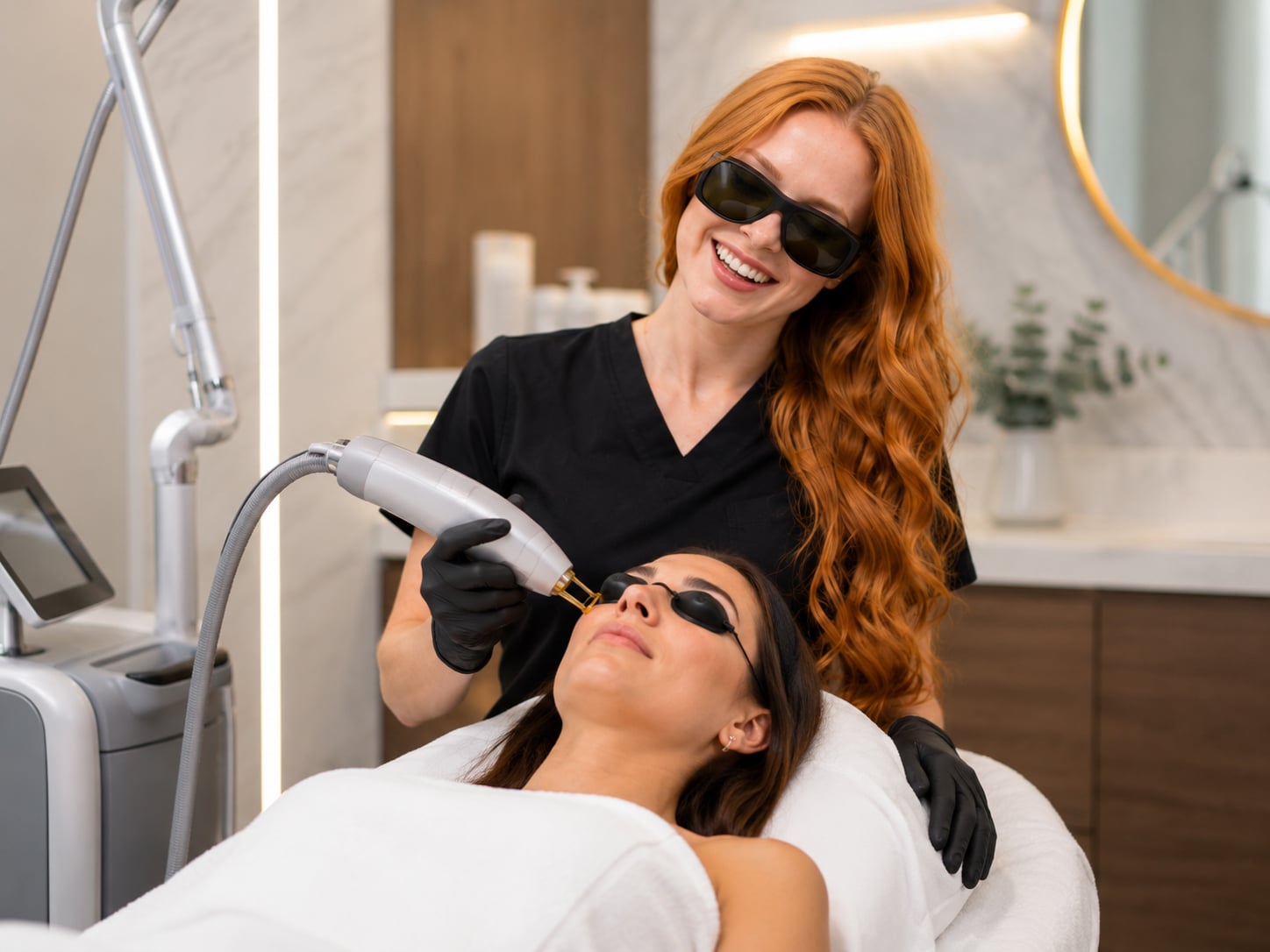
How AML Training Works
AML gives students a structured path from enrollment to course completion and future practical experience.
Select a focused certification or the comprehensive Advanced Laser Aesthetics Certification.
Access course lessons, treatment demonstrations, professional resources, and assessments.
Progress on your schedule, pause difficult lessons, and replay important demonstrations.
Finish the required activities and final evaluation associated with your selected program.
Receive an AML Laser Academy certificate featuring a unique Verification ID.
Pursue supervised hands-on training, workplace onboarding, and device-specific competency development.
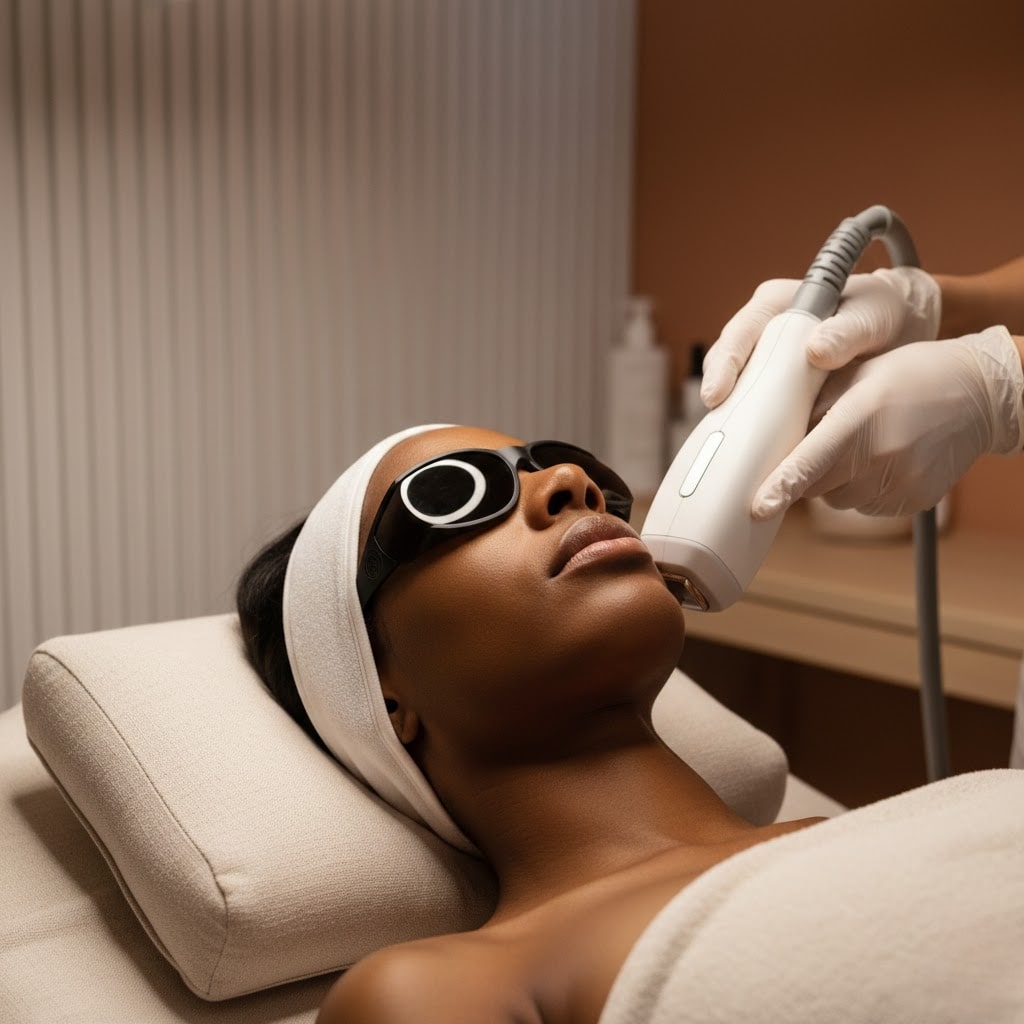
After or alongside online education, students may pursue supervised hands-on laser training with live models. Completing the theory first allows students to approach practical education with stronger knowledge of laser physics, skin typing, treatment parameters, contraindications, consultation, and safety.
Online vs. Traditional Training
| Feature | AML Online Training | Traditional Classroom Program |
|---|---|---|
| Start Date | Begin after enrollment. | Wait for scheduled dates. |
| Schedule | Self-paced and flexible. | Fixed class hours. |
| Travel | No travel required. | Travel, parking, lodging, or airfare may be required. |
| Demonstrations | Pause, rewind, and replay. | Often shown once. |
| Course Access | Lifetime access. | Access may end after class. |
| Learning Pace | Review difficult material as needed. | Instructor controls the pace. |
| Work Impact | Continue regular work schedule. | May require missed shifts or appointments. |
| Team Training | Individual and group options. | Staff may register and travel separately. |
| Certificate | AML certificate with Verification ID. | Varies by provider. |
Choose Your Detroit Cosmetic Laser Course
AML offers focused programs for different professional goals.

Most Comprehensive Program
AML’s most comprehensive cosmetic laser program is designed for students who want broader education across multiple treatment technologies instead of limiting their training to one device or procedure.
This is the strongest AML option for career-focused students, medical professionals, estheticians, laser technicians, medical-spa teams, and practice owners seeking a broader multi-device educational foundation.
Start Advanced Laser TrainingStudy laser hazards, controlled treatment areas, protective eyewear, warning signs, documentation, standard operating procedures, incident response, and facility safety.
Explore LSO trainingStudy hair-growth cycles, Fitzpatrick skin typing, client consultation, treatment parameters, contraindications, preparation, aftercare, and laser safety.
Explore hair-removal trainingLearn tattoo-ink characteristics, wavelength selection, Q-switched and picosecond technology, treatment planning, healing, intervals, contraindications, and risk awareness.
Explore tattoo-removal trainingExplore RF physics, thermal tissue response, skin tightening, body contouring, cellulite-reduction concepts, consultation, contraindications, planning, and temperature safety.
Explore RF trainingStudy IPL concepts for pigmentation, vascular concerns, sun damage, dyschromia, photoaging, redness, client selection, planning, and expected skin response.
Compare all AML coursesLearn professional sanitation, treatment-room preparation, equipment cleaning, PPE, cross-contamination prevention, and medical-aesthetic infection-control practices.
Explore infection controlStudy exposure prevention, universal precautions, bloodborne pathogen awareness, documentation, incident response, and safer workplace practices.
Explore BBP trainingQualified RNs, NPs, PAs, MDs, and DOs can study facial anatomy, muscle mapping, dosage concepts, injection principles, consultation, contraindications, and injectables safety.
Explore injectables education
Detroit Medical Spas and Aesthetic Teams
When employees receive different training from multiple sources, a practice may experience inconsistencies in terminology, consultation quality, contraindication awareness, client communication, safety practices, and documentation.
Who Should Enroll?
Build advanced knowledge of laser treatments, skin typing, consultation, contraindications, client education, treatment planning, and safety while entering or expanding within medical aesthetics.
Study treatment technology, patient selection, risk factors, professional safety, and business considerations involved in adding energy-based aesthetic services to a practice.
Strengthen your understanding of laser physics, IPL, radiofrequency, skin rejuvenation, consultation, advanced light-based therapies, and medical-aesthetic terminology.
Expand knowledge of wavelength selection, laser hair removal, IPL, tattoo removal, radiofrequency, laser safety, client assessment, and treatment planning.
Use AML education to improve staff onboarding, consultation consistency, contraindication awareness, safety documentation, client communication, and professional development.
Give clinical assistants, consultants, coordinators, reception staff, nurses, and managers a shared understanding of treatment technologies and professional terminology.
Build a serious foundation in laser science, treatment modalities, client care, and safety before investing in additional licensing, equipment, employment, or hands-on training.
RNs, NPs, PAs, MDs, and DOs can pair laser education with advanced study in facial anatomy, mapping, dosage concepts, injection principles, and safety.
Turn Education Into an Advantage
The value of cosmetic laser education extends beyond one certificate. It can help you make more informed decisions about your career, practice, equipment, and future training.
Structured education in laser physics, safety, treatment concepts, consultation, contraindications, and client care can demonstrate initiative and professional preparation.
Students who understand theory can spend more practical-training time focusing on equipment handling, treatment endpoints, client positioning, and supervised technique.
Compare IPL, radiofrequency, hair-removal devices, tattoo-removal platforms, and resurfacing technologies before investing in expensive equipment.
Build a stronger foundation for explaining treatment goals, expected reactions, preparation, aftercare, and multi-session treatment plans.
Give providers, managers, consultants, and safety personnel a shared understanding of treatment terminology, risk, and professional responsibility.
Study cosmetic laser technology before committing to additional clinical, licensing, manufacturer, equipment, employment, or hands-on requirements.
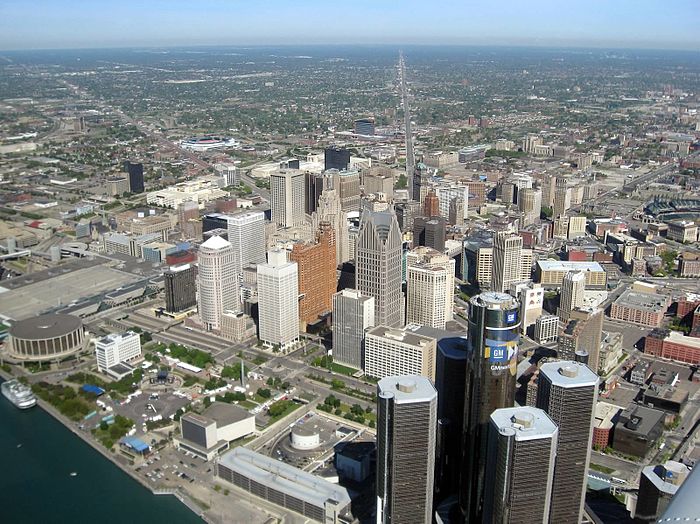
Metro Detroit and Southeast Michigan
AML’s online cosmetic laser courses are available throughout Detroit and Southeast Michigan.
Online access eliminates the need to commute through Metro Detroit traffic, pay for parking, travel out of state, or wait for a local classroom program to begin.
Detroit and Michigan Regulatory Authorities
Michigan professional-scope rules are established primarily at the state level, while Detroit separately administers local business, zoning, permit, inspection, and certificate-of-occupancy processes that may apply to a clinic or medical-spa location.
Michigan LARA states that the use of lasers by health professionals constitutes the practice of medicine or dentistry. Michigan Public Health Code §333.16276 addresses dermatological laser procedures and generally requires supervision by a licensed physician, subject to the statute’s stated exceptions and definitions.
Michigan Occupational Code §339.1210 separately addresses the limited light-therapy services that an esthetician or cosmetologist may perform. The provision applies only to qualifying noninvasive light therapy that meets the statutory requirements; it does not automatically authorize medical-grade laser procedures, tattoo removal, or every IPL application.
Physicians, nurses, physician assistants, cosmetology professionals, employers, and facility owners should verify the rules governing their own license, delegation or supervision arrangement, treatment, device, workplace, and business structure before offering a service.
Detroit businesses should also review city requirements through the Buildings, Safety Engineering and Environmental Department. Depending on the business and location, the process may involve zoning review, permits, inspections, a certificate of occupancy or compliance, and other local approvals. Environmental-health clearance applies only when required for the particular Detroit business category.
Frequently Asked Questions
Continue Exploring AML Locations
Explore AML Laser Academy’s city guides for medical and aesthetic professionals across the United States. Compare local career context, professional pathways, official regulatory resources, flexible online course options, and cosmetic laser education in additional markets.
Your Next Move Starts Here
Detroit’s medical-aesthetics market is moving forward. Build stronger knowledge of laser science, treatment planning, safety, client assessment, and advanced aesthetic technology with flexible online access, detailed treatment demonstrations, lifetime course materials, multiple certification options, and medical curriculum oversight.