
AML Laser Academy
Laser Training for Nurses Ready to Grow in Medical Aesthetics
Flexible online education in laser science, patient safety and aesthetic treatments, with hands-on training options.
If you’re a nurse interested in medical aesthetics, you already have experience that matters: listening to patients, gathering a history, explaining care and noticing changes. Laser training for nurses builds on that experience with specialized training in the science behind cosmetic laser treatments, including hair removal and skin rejuvenation.
The next step is choosing what to learn first. A useful sequence starts with skin assessment, laser physics and safety, then moves into the treatments that interest you. Online coursework gives you a foundation to bring into supervised, device-specific hands-on training.
AML Laser Academy’s Advanced Laser Aesthetics Certification program brings those core subjects together in 90 hours of self-paced online education. With videos, written materials, quizzes, assignments and access to instructors, you can study around your nursing shifts and work toward a verifiable course-completion certificate.
Explore AML’s Advanced Laser Aesthetics Certification program and take your next step in aesthetic nursing.
Choose Your Starting Point in Aesthetic Nursing
Start with the kind of work you want to understand. Are you drawn to laser hair removal consultations, skin rejuvenation in a medical spa, or a broader range of aesthetic treatments in dermatology practices or plastic surgery offices? You don’t need to settle your entire career plan before learning, but a clear interest helps you choose a course with purpose.

For registered nurses new to aesthetics, a broad program can introduce several technologies before you choose an area to develop further. If you already work in an aesthetic practice and want to deepen your knowledge of one treatment, a focused course may be a more direct starting point. Nurse practitioners and experienced aesthetic nurses can use the same approach to identify gaps in their current knowledge.
AML offers individual cosmetic laser courses as well as its advanced bundle for nurses and other medical professionals. Choose focused study when you have a specific subject in mind. Choose the 90-hour training program when you want to connect laser safety, hair removal, IPL, tattoo removal, radiofrequency and CO₂ resurfacing within one course of study.
Build a Solid Foundation in Laser Science and Patient Care
Your nursing background gives you a useful starting point, but aesthetic devices introduce new questions. Why does wavelength matter? How can pigment affect treatment planning? What makes a skin response expected or concerning? Begin with the foundations so later lessons have context.
Connect Skin Types and Skin Assessment With Laser Physics
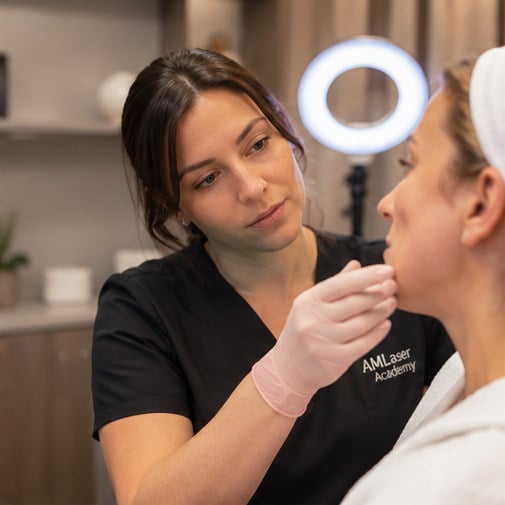
Skin anatomy, Fitzpatrick skin typing and laser physics help you connect a patient’s characteristics with the way light interacts with tissue. You’ll study concepts such as pigment, wavelengths and laser parameters, including energy delivery and pulse duration. This foundation makes treatment discussions easier to follow when you encounter unfamiliar laser devices.
For a nurse, the value is in connecting new information with familiar assessment habits. A patient’s goals, skin characteristics and treatment history all matter. Learning how these details relate to laser technology helps you follow treatment planning with a clearer understanding of the reasoning.
For example, studying different skin tones and darker skin types helps explain why melanin matters in light-based treatments. You can connect that knowledge with the patient’s history and the cosmetic laser procedures being discussed. The aim at this stage is to understand the questions that guide planning, before you learn the practical use of a specific device.
Learn Laser Safety Alongside Treatment Planning
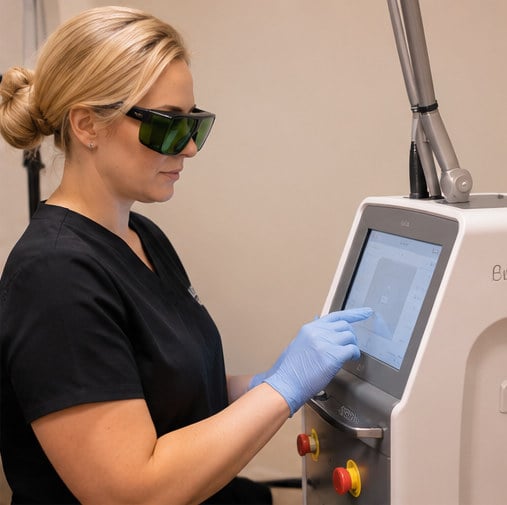
Cosmetic laser training brings safety and science together from the start. AML’s curriculum covers safety protocols such as eye protection, controlled treatment areas and equipment precautions. Learning why these control measures matter gives familiar nursing habits a focus suited to laser procedures. These topics extend the attention you already bring to patient safety into an unfamiliar clinical environment.
Assessment, consent, documentation and aftercare also run through the course. These subjects connect your existing commitment to patient-centered care with new treatment-specific detail. You’re learning how to explain a cosmetic procedure, discuss realistic expectations and understand the recovery information a patient will need.
See AML’s dedicated Laser Safety Officer training for more about safety-focused education.
Explore Aesthetic Procedures That Interest You
Once the foundations are in place, individual treatments become easier to compare. AML’s comprehensive training covers multiple laser platforms and other energy-based devices, allowing you to see how their purposes differ. Use that breadth to explore your interests rather than feeling you must choose a specialty before you begin.
Laser Hair Removal
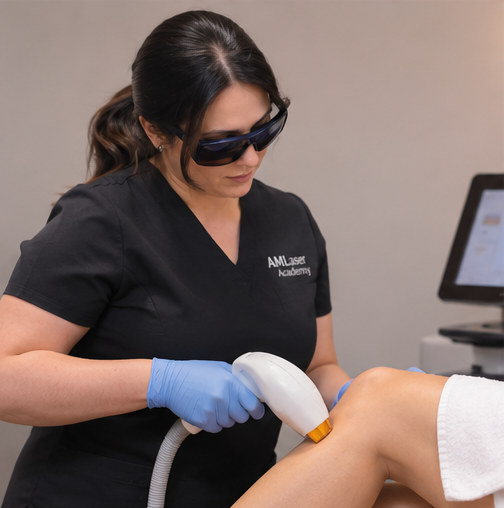
Laser hair removal is a useful place to connect hair biology with light-based treatment. Studying hair growth cycles, pigment and skin characteristics helps explain why treatment is planned over a series of appointments and why responses vary. For nurses interested in this service, those concepts give substance to conversations about treatment goals and expectations.
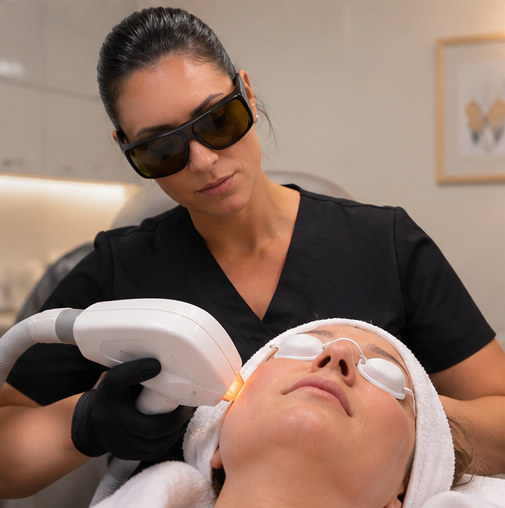
Intense Pulsed Light and IPL Photofacial Treatments
Intense pulsed light, or IPL, uses a broad spectrum of light rather than a single laser wavelength. Learning about photofacials introduces light-based approaches to concerns such as visible sun damage and uneven pigmentation. You’ll develop a clearer vocabulary for discussing these cosmetic treatments and understanding why IPL and laser procedures are different.
AML’s hair-reduction education introduces Alexandrite, diode and Nd:YAG lasers alongside IPL. Knowing that these technologies differ gives you a better starting point for learning about the laser services offered in a practice. You can then connect device-specific instruction with the science you have studied.
Laser Tattoo Removal
Tattoo removal introduces another target for laser energy: ink particles in the skin. The subject brings together wavelength selection, tattoo characteristics, gradual fading and healing between sessions. If this area interests you, learning the theory helps you understand why a patient’s expectations and the characteristics of the tattoo both shape the treatment conversation.
Radiofrequency Skin and Body Treatments
Radiofrequency, or RF, uses a different form of energy from lasers and IPL. AML includes RF skin and body tightening in its curriculum, broadening your understanding beyond light-based procedures. This is useful when you want to understand the range of services discussed in medical spas and aesthetic practices, including skin tightening and body contouring.
CO₂ Skin Resurfacing
CO₂ skin resurfacing connects treatment effects with the skin’s healing response. The course covers fractional and fully ablative approaches, including how fractional lasers treat an area of skin. Recovery and post-treatment care protocols link the technology with the patient experience. Nurses with an interest in skin healing may find this a natural subject to explore, bringing existing patient-care experience to questions about skin texture, resurfacing and recovery.
Choose a Laser Course That Fits Around Nursing Shifts
A training plan works best when it fits the life you already have. AML’s online format lets you work through the course at your own pace instead of arranging travel for classroom lessons. The advanced program contains 90 hours of education; your calendar time will depend on the time you set aside to study.
Work through the foundational subjects before moving into the treatment modules that build on them. That sequence makes the terminology easier to follow and helps you connect each new lesson with what you have already learned. You can develop your aesthetic knowledge while continuing your current nursing role.
Use Videos and Assignments to Make the Material Stick
AML combines instructional videos with written course materials, quizzes and assignments. Video lessons offer a visual way to follow the subjects, while written resources give you space to take notes and review technical details. Quizzes and assignments let you work with the concepts rather than only read about them.
As you progress, connect each topic with a question a patient might ask: Why are several appointments discussed? What affects a treatment plan? What should someone understand about recovery? Thinking in terms of patient conversations can help make unfamiliar treatment science more relevant to your nursing experience.
Learn With AML’s Instructors
Anastasia Andreani and Dr. Leo J. Capobianco teach the program, with Dr. Capobianco providing medical review and clinical oversight. Access to instructors gives you a place to ask questions as you study. When a concept needs more explanation, you have support beyond the lesson itself. Learn more about the AML Laser Academy instructors.
Add Hands-On Experience With Laser Equipment
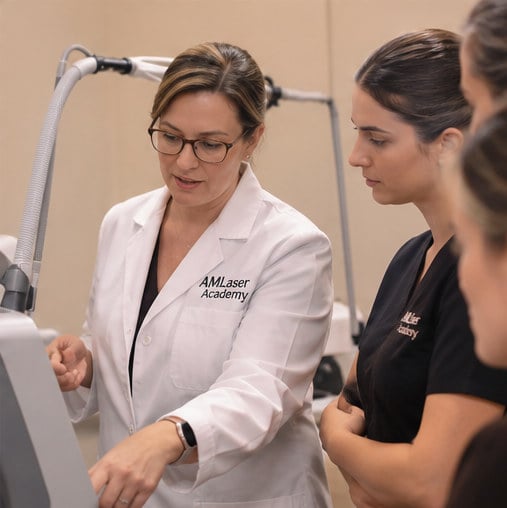
After developing your theoretical knowledge, hands-on training is where you connect it with the laser equipment in front of you. Knowing the language of laser parameters, skin assessment and treatment protocols helps you follow demonstrations and ask more useful questions about a particular laser system during supervised practical instruction.
AML’s hands-on aesthetic laser training options are arranged separately from the online course. They include sessions at participating partner med spas or clinics and requests for private training at an equipped practice, subject to availability and eligibility. Online education and practical training have different roles in your development, so plan for both as you build your skills.
For a nurse moving into aesthetics, this creates a clear progression: learn the principles, study the treatments and then develop experience with specific devices under supervision. It keeps your next step manageable without treating online lessons as a substitute for practical experience.
Laser Certification and Your Course Completion Record
Successful completion of AML’s program earns an Advanced Laser Aesthetics course-completion certificate with a unique verification ID. It documents the education you have completed and gives you a record to include in your professional development history.
If you want more background on educational credentials, AML’s laser technician certification guide explains the broader training pathway.
A course-completion certificate does not replace a state license, professional scope-of-practice requirements, supervision, or device-specific hands-on training where required.
Start Your Laser Training for Nurses With AML
You don’t have to map out every future role to start learning. Choose the treatment area you want to understand, build a foundation in laser science and patient care, and work through a course that fits your schedule. That sequence gives you a practical way to approach your next stage of professional development in aesthetic medicine.
AML’s Advanced Laser Aesthetics Certification program offers a broad starting point, with 90 hours of self-paced online education across laser and energy-based treatments. If you’re ready to take the next step in aesthetic nursing, enroll in the Advanced Laser Aesthetics Certification program and begin building on the experience you already bring to patient care.
